
A prep cook slices up a few melons for a platter first thing in the morning, well ahead of that afternoon’s event. It’s just fruit — cut, arranged, ready to eat. No raw meat, no cooking step, nothing scary. It sits on the counter while the rest of prep gets done.
Here’s the problem: the moment that melon got cut, it quietly became a completely different category of food. It joined raw chicken in one important respect: it’s now a TCS food, and time and temperature suddenly matter.
“Ready-to-eat” and “safe to leave out” are not the same claim. Mixing them up is exactly how a perfectly innocent-looking fruit platter turns into a problem.
Two Categories, Not One
TCS food stands for Time/Temperature Control for Safety — food that needs time and temperature control to limit the growth of pathogens or the formation of toxins. This is the food FAT TOM was built to describe.
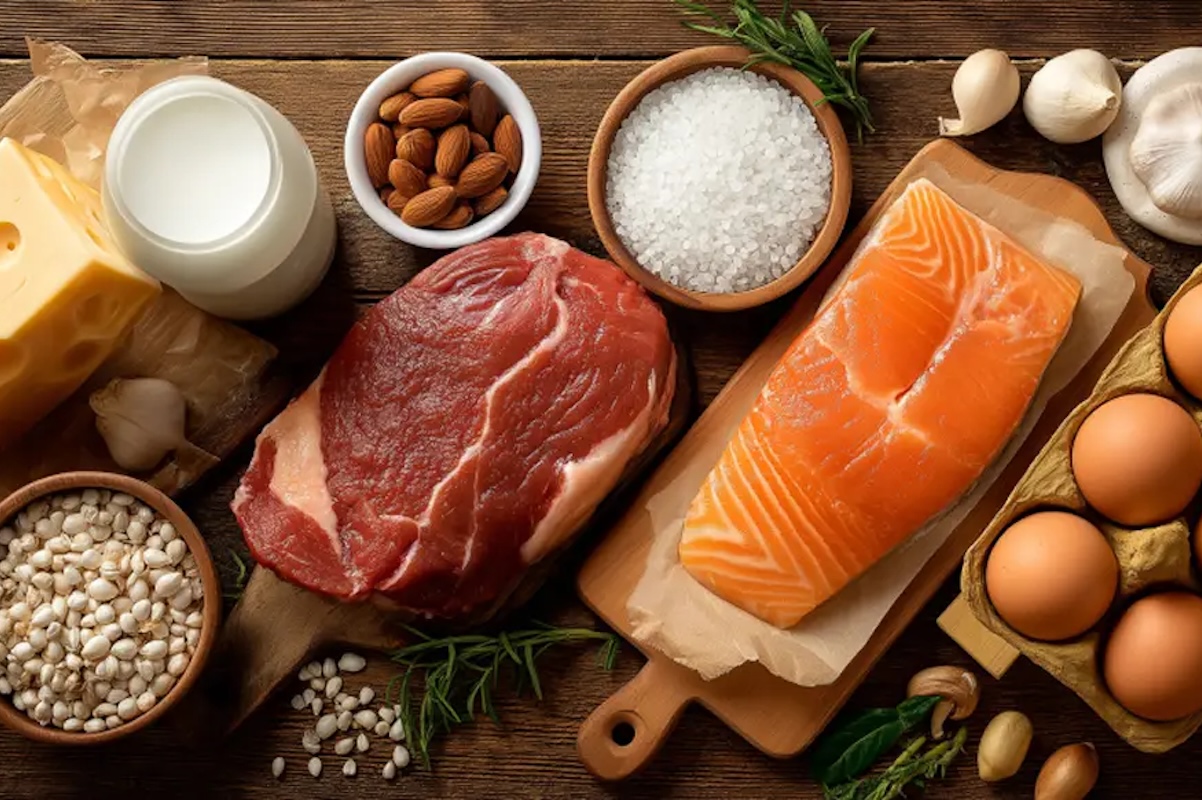
TCS food, common examples:
- Milk and dairy products
- Meat, poultry, fish, shellfish, and crustaceans
- Shell eggs (except ones specifically treated to eliminate nontyphoidal Salmonella)
- Heat-treated plant food — cooked rice, cooked beans, cooked vegetables
- Raw seed sprouts
- Baked potatoes
- Garlic-in-oil mixtures that haven’t been specifically treated to prevent pathogen growth or toxin formation
Two Quick Flags: Raw Sprouts, Baked Potatoes, and Garlic-in-Oil
Quick flag #1 — raw sprouts: sprout outbreaks trace back overwhelmingly to two pathogens you already know — Salmonella and Shiga toxin-producing E. coli (STEC), both on your Big 6. But this isn’t usually contamination from cutting or handling, the way melon is. The seed itself may already be contaminated before sprouting even starts, and that contamination can be difficult to eliminate. Then the same warm, humid conditions a seed needs to sprout are also great conditions for bacteria to multiply — so a tiny amount of contamination can become a much bigger problem by the time those sprouts reach a plate.
Quick flag #2 – anaerobic bacteria: The baked potato and garlic-in-oil examples are worth pausing on, because they explain why the TCS definition includes the words “toxin formation.”
Clostridium botulinum spores can survive ordinary cooking. Under the right conditions — including the low-oxygen environment created when garlic is sealed in oil or when a foil-wrapped baked potato is improperly held after cooking — spores can germinate, the bacteria can start growing again, and botulinum toxin can be produced. The especially nasty part? The food can look and smell completely normal the whole time.
That’s why the TCS definition covers both pathogen growth and toxin formation. They’re connected, but they’re not the same hazard: sometimes the microorganism ITSELF is the concern, and sometimes the toxin it produces is what can make someone seriously ill.
Worth knowing by name, even though it’s not one of the Big 6: Clostridium botulinum.
It’s a spore-forming bacterium that can grow and produce a dangerous toxin under suitable low-oxygen conditions — which is exactly what makes both garlic-in-oil and baked potatoes real risks, not just textbook examples.
Its spores can survive normal cooking. The danger comes after: a baked potato left tightly wrapped in foil can create the low-oxygen conditions this bacterium needs, especially if it’s then held at room temperature instead of refrigerated.
In a well-documented 1994 outbreak, a potato-based dip made from foil-wrapped baked potatoes that had sat at room temperature for several days sickened dozens of people. Same bacterium, same basic low-oxygen problem, two completely different-looking foods from this page’s own list.
Botulism doesn’t even look like the foodborne illnesses you already know. Instead of the usual vomiting and diarrhea, it’s neurological — blurred or double vision, difficulty swallowing or breathing, and muscle weakness that can progress to paralysis. That’s why it’s worth knowing on its own. It doesn’t announce itself the way you’d expect a “normal” foodborne illness to, and it doesn’t need a single Big 6 pathogen anywhere near the food to be dangerous.
Ready-to-eat food is food that’s safe to eat without any further preparation, washing, or cooking needed to make it safe. It might still get sliced, garnished, or plated before service — but none of that is required for food safety.
Ready-to-eat food, common examples:
- Cooked food
- Washed fruits and vegetables, whole or cut
- Deli meat
- Bakery items, sugar, spices, and seasonings
Worth noticing: bread and most bakery items are ready-to-eat, but they’re not TCS — even though plenty of TCS food is also ready-to-eat.
The reason traces straight back to FAT TOM: bread simply doesn’t have the available moisture pathogens need to grow. Being ready-to-eat didn’t earn it a spot on the TCS list. Its moisture level kept it off, same as it would for any other food.
Notice something about these two lists: they aren’t opposites, and they aren’t the same list either.
They’re two completely separate questions being asked about the same food:
TCS asks: “Does this support pathogen growth or toxin formation?”
Ready-to-eat asks: “Does a guest need to do anything else to it before eating it safely?”
Knowing a food’s answer to one doesn’t automatically tell you its answer to the other.
Two Questions, Four Possible Answers
This is where people tend to get turned around. TCS and ready-to-eat aren’t two different kinds of food. They’re two different questions we’re asking about the SAME food.
TCS asks whether the food needs time and temperature control for safety. Ready-to-eat asks whether the food can be eaten safely without another preparation step.
That means a food can be TCS, ready-to-eat, both, or neither. The diagram below puts some familiar foods into each category. Tap around and you’ll see pretty quickly why knowing that something is “ready-to-eat” doesn’t tell you whether it needs temperature control.
The overlap in the middle is the one worth paying attention to. Cut melon, deli meat, cooked rice held for service, cut tomatoes, and cut leafy greens are both TCS and ready-to-eat. They’re perfectly safe to eat without another cooking step, but they still need time and temperature control.
And that’s where “ready-to-eat” can fool you. With raw chicken, everybody understands that we’re not finished yet. There’s another safety step coming before that chicken reaches a guest. With a bowl of cut melon, there may be nothing left to do except put it on a plate.
That means ready-to-eat TCS food needs two things from you at the same time: don’t contaminate it, and don’t abuse the time and temperature. Clean hands, clean equipment, and preventing cross-contamination matter enormously because there may be no later cooking step to kill whatever gets onto the food. Temperature still matters because the food can support pathogen growth or toxin formation if it’s mishandled.
That’s really the whole distinction. Ready-to-eat tells you whether the food needs another safety step before somebody eats it. TCS tells you whether time and temperature still matter. Sometimes the answer to both questions is yes — and that’s the overlap you don’t want to miss.

BUT WHAT IF a food starts out in one box and moves to another?
That’s exactly what happened to the melon.
Whole melon isn’t TCS. Cut melon is.
Once the melon is cut, its moist interior is exposed. Bacteria from the rind, the knife, the cutting board, or someone’s hands can reach that interior — and they’re now sitting on food capable of supporting their growth.
That’s why cutting certain foods isn’t just prep — it can actually change which food-safety rules apply. The same thing happens with cut tomatoes and cut leafy greens.
Ready-to-eat TCS food also comes with some specific storage rules — how long it can be held and when it needs to be labeled. We’ll deal with those numbers later when we get into safe storage.
For now, lock in the bigger idea: once you’ve identified something as ready-to-eat TCS food, “it’s ready to eat” stops being a reason to relax about it.

Cooked rice doesn’t look dangerous. It doesn’t smell dangerous. There’s no raw chicken juice running across the floor. It’s just rice sitting on a rack.
But once that rice was cooked, it became TCS food. And cooking it again later doesn’t give you permission to ignore what happened to it in between.
So now the choice sucks. Use it, and the truck leaves on time. Toss it, and the entire afternoon gets punched in the face.
Toss it. Start over. Fix the cooling problem this time.
The fact that the correct decision wrecks your prep list (and ruins your day) doesn’t make the other decision safe.
Why the rice wasn’t safe: Rice is exactly the kind of food where saying “we’re cooking it again anyway… it will be fine” is not the excuse you think it is. The bacteria Bacillus cereus is associated with rice and other grains and can survive the original cooking as heat-resistant spores. Leave cooked rice sitting at unsafe temperatures, and those spores can germinate, the bacteria can grow, and some strains can produce a heat-stable toxin. Reheating may kill the growing bacteria, but it will not destroy toxin that has already formed. By the time those pans have been sitting on the speed rack for hours, the problem may already be baked in — the wok doesn’t necessarily get a chance to undo it.
What You Actually Need to Remember
- TCS and ready-to-eat are two separate questions about a food, not two ends of the same scale. Knowing the answer to one doesn’t automatically tell you the other.
- “Ready-to-eat” means a guest doesn’t need to do anything more to it to make it safe. It does not mean “safe to leave out.”
- Ready-to-eat TCS food — cut melon, cut tomatoes, cut leafy greens, deli meat, cooked rice — needs both contamination prevention and temperature control because there may be no cooking step left to fix a mistake.
- A food’s classification can change as you handle it. Different actions change different things: cutting certain produce — melons, tomatoes, leafy greens — can turn it into TCS food; washing raw produce can make it ready-to-eat; cooking can change both what a food is classified as and which rules apply next.
- TCS covers both pathogen growth and toxin formation. The two can be connected: garlic-in-oil shows how bacterial growth can happen in a place you can’t see, while the toxin produced is what ultimately makes the food dangerous.
Terms Introduced in This Lesson
- TCS food — Time/Temperature Control for Safety; food that requires time and temperature control to limit the growth of pathogens or the formation of toxins.
- Ready-to-eat food — food that’s safe to eat without further preparation, washing, or cooking needed to make it safe.
- Ready-to-eat TCS food — food that is both ready-to-eat and requires time and temperature control; it needs both contamination prevention and temperature control because there may be no remaining cooking step to fix a mistake.
- Clostridium botulinum — a spore-forming bacterium that can grow and produce botulinum toxin under suitable low-oxygen conditions; causes botulism, a neurological illness distinct from typical foodborne-illness symptoms.
Study Guide
