
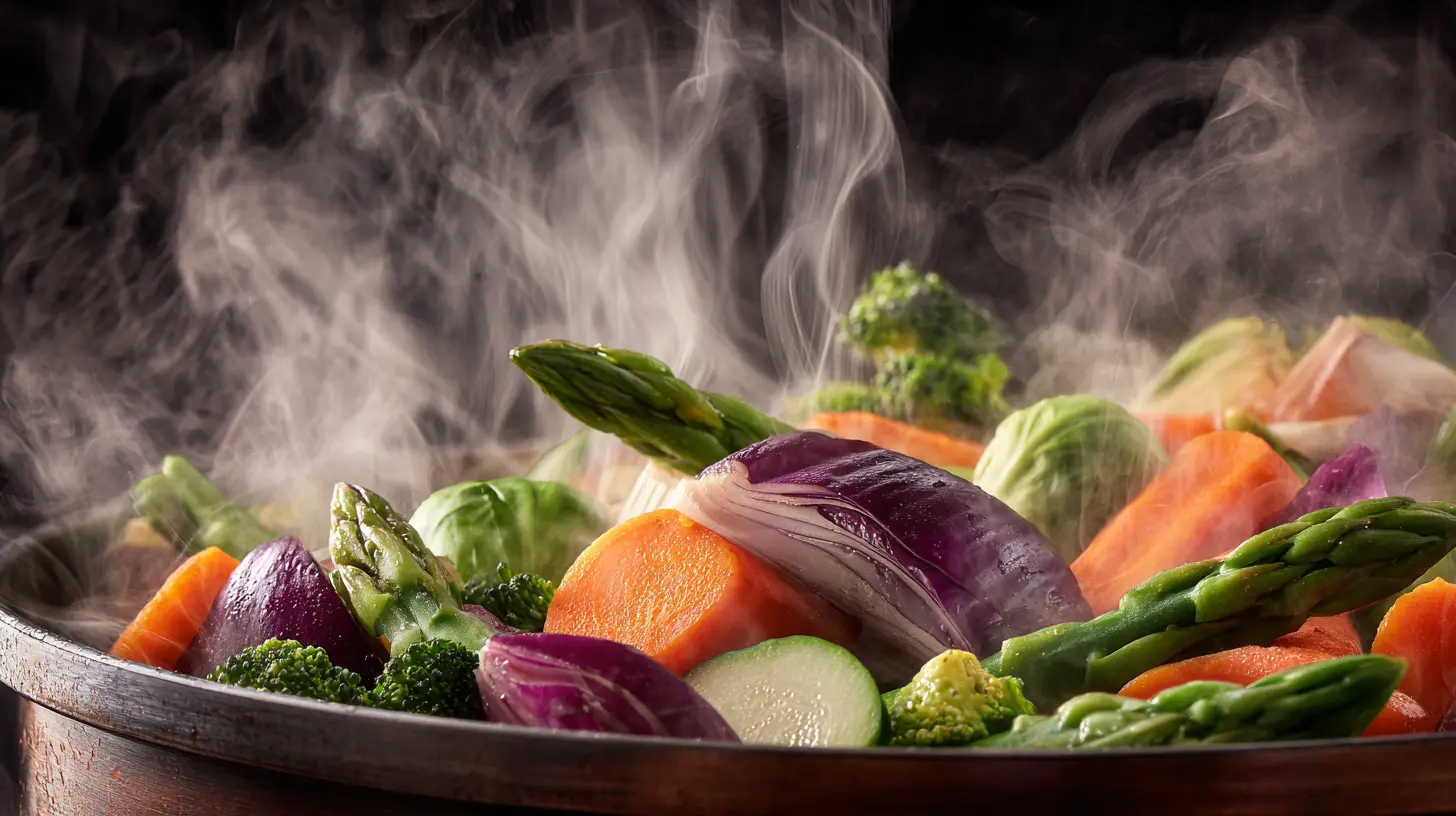
“Eat your vegetables!” Almost every kid on the planet has heard it, usually right before somebody slid a pile of gray, mushy broccoli across the table. Vegetables were the punishment. At best, they were the roadblock: the thing you had to choke down before you got to eat what you actually wanted.

For a lot of people, that grudge never goes away. Grown adults still push the green stuff around their plates like they’re eight years old. I know. I’m married to one.
Here’s what nobody told you at the dinner table: broccoli, cauliflower, cabbage, kale, Brussels sprouts, and kohlrabi are the same plant. Not cousins. Not “related.” One species: wild cabbage, a scraggly weed from the coast of Europe. Over centuries, farmers kept picking favorites. One plant grew a bigger flower, one grew fat leaves, one grew tiny buds up its stalk. Same weed, six vegetables.
If people can turn a roadside weed into all that, you can learn to turn a vegetable into something nobody has to be ordered to eat. That’s the job. Let’s get to work.

What Heat Does to Vegetables
Texture, water, flavor, and color. Learn what’s really happening in the pan, and choose your cooking method on purpose instead of by accident.

The Six Vegetable Categories
Flower, fruit, green leafy, seed, root and tuber, and stem. What belongs in each family, what to look for when you buy it, and how to handle it.

Vegetable Recipes by Method
Every cooking method on the plate, from blanched broccoli to fried green tomatoes. Make vegetables nobody has to be told to eat.

Buying, Costing & Storing
USDA grades, yield math, and storage that keeps produce alive. The walk-in is full of money. Don’t let it rot.