
Gastronomy
Cooking is applied chemistry, and once a student understands why something works, they can cook anything — not just follow a recipe.
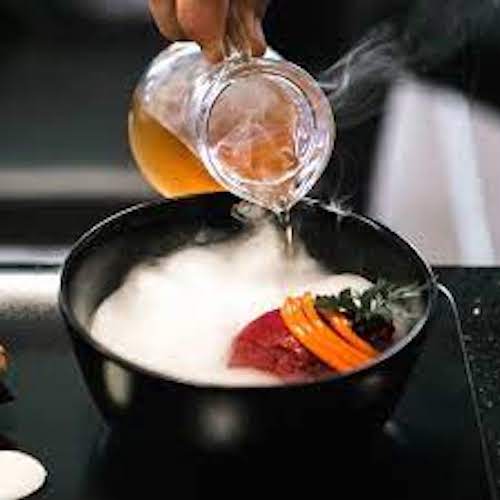
Gastronomy is where that understanding starts. Students learn the mechanics behind emulsification (why a vinaigrette separates and a mayonnaise doesn’t), protein denaturation (why a poached egg sets the way it does), and starch behavior (why a roux thickens, why bread staling isn’t really about “drying out”). These aren’t abstract lectures — they’re the difference between a student who can follow a recipe and one who can fix it when it goes wrong.
This foundation shows up everywhere in the program: in Culinary 1’s stocks and mother sauces, in Culinary 2’s science-of-taste unit, in Culinary 3’s custards and combination cooking. By the time a student reaches Culinary 4’s international cuisine rotation, they’re not memorizing seventy new recipes — they’re recognizing the same handful of scientific principles dressed up in different traditions.