Video Introductions to Wekiva Culinary


Ten Years of Culinary Excellence
Ten Years of Culinary Excellence
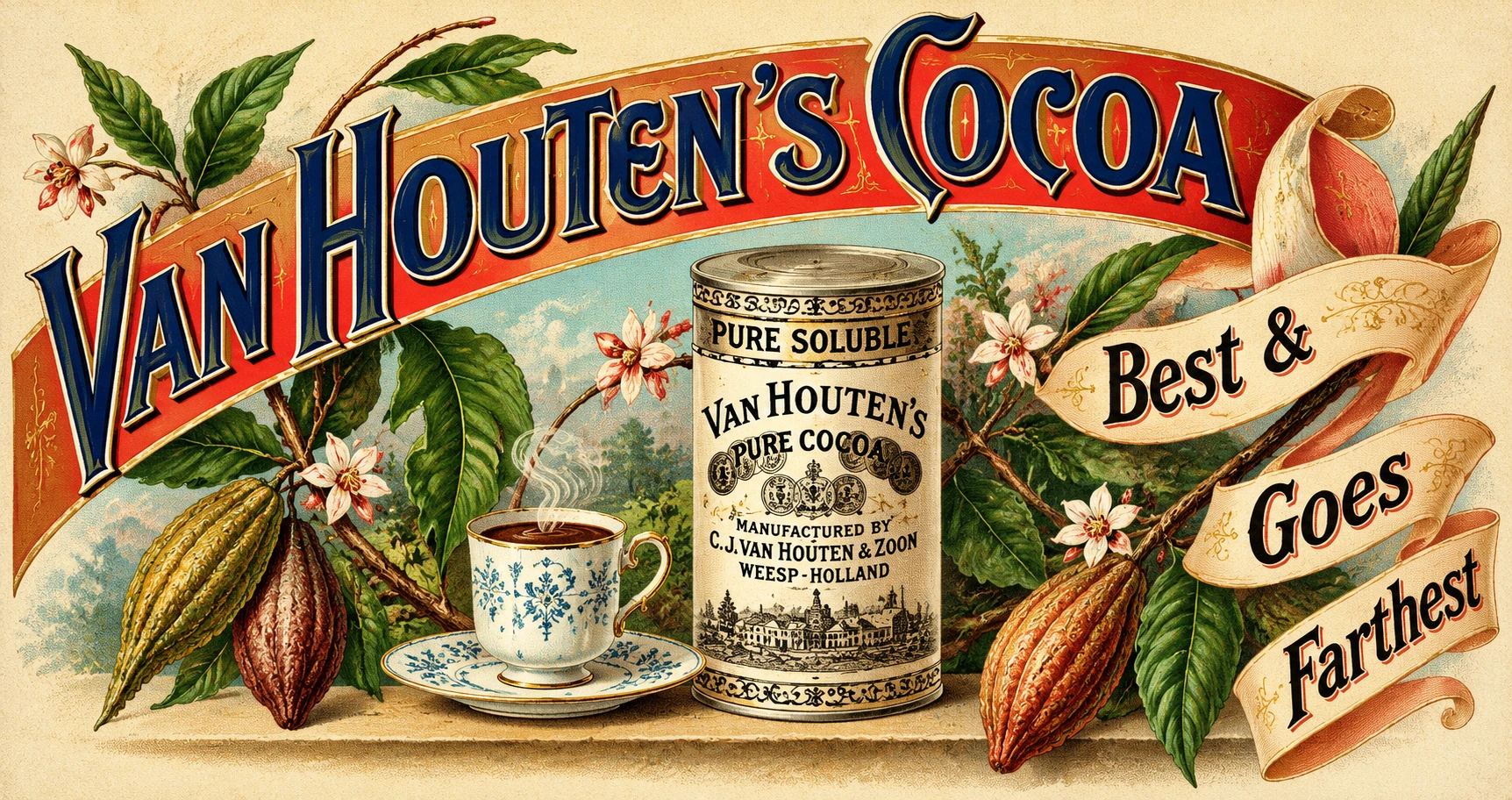
A Dutch shopkeeper figures out how to squeeze the fat out of chocolate. His son makes cocoa powder better, his grandson turns it into a global brand, and an English chocolatier puts the fat right back in to invent the chocolate bar. From cocoa powder to white chocolate, discover the inventions, accidents, and science that changed chocolate forever.
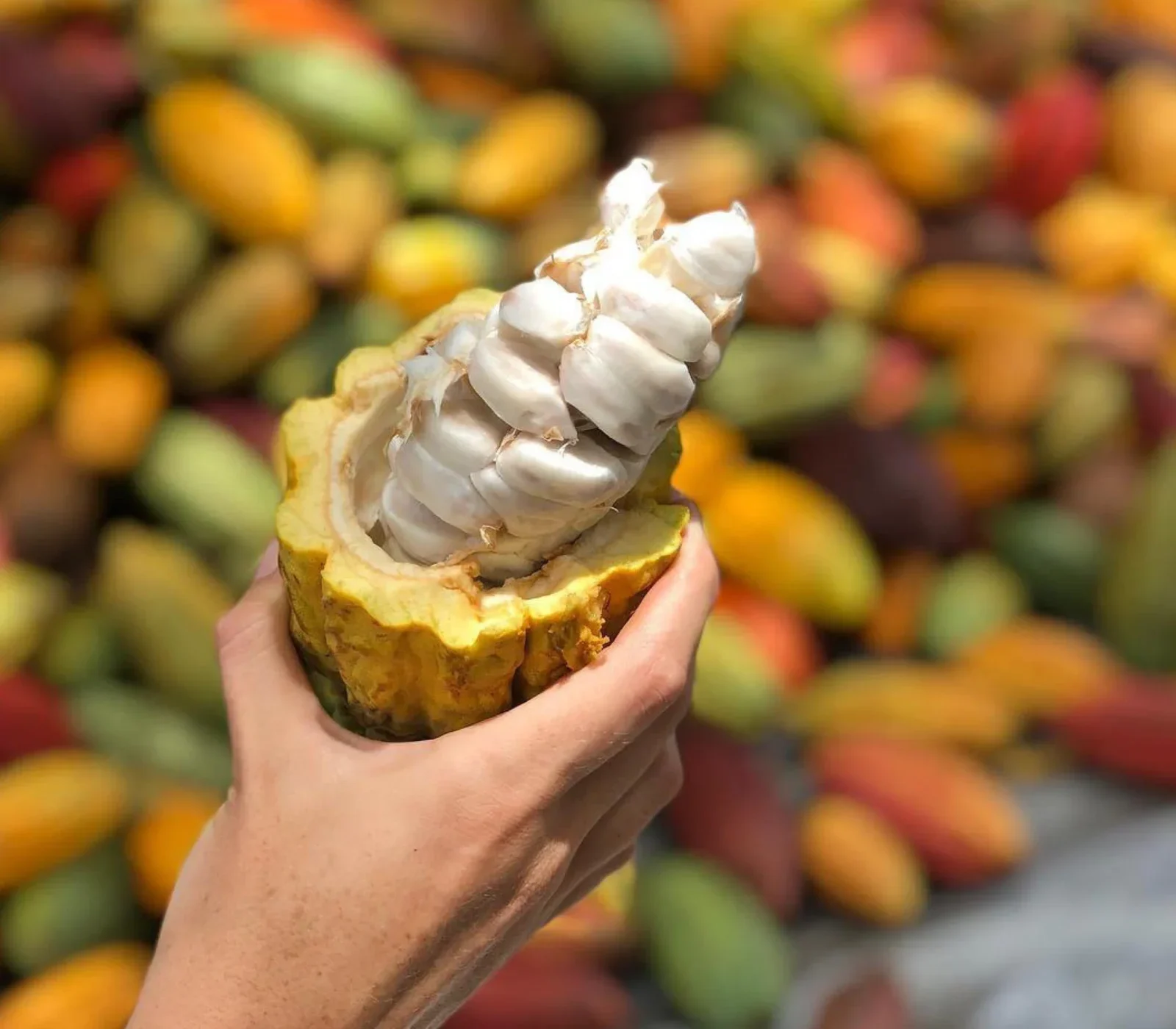
Chocolate begins with a strange tropical fruit, a pile of fermenting seeds, and a farmer who knows when to leave things alone. Follow cacao from the rainforest to the chocolate maker’s grinder, discovering the science, the people, and the decisions that turn bitter seeds into one of the world’s favorite foods.
Discover how chemists learned to imitate fruit, why banana candy doesn’t taste quite like bananas, and how to add flavors to chocolate without ruining it. From Victorian pineapple sweets to Circus Peanuts and bubble gum, this lesson explores the strange history and science of candy flavoring.
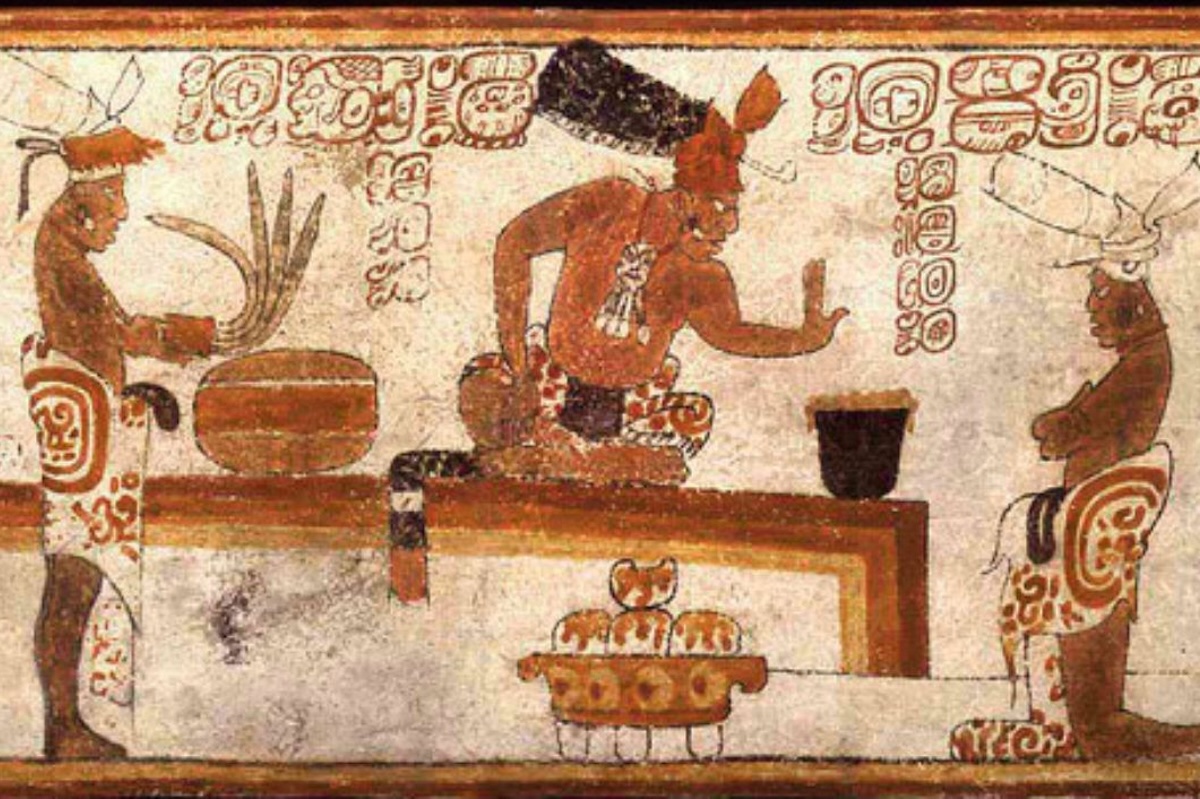
In seventeenth-century Mexico, a bishop tried to stop women from drinking chocolate while he was holding services in his church. And they killed him. Maybe. Here's the story: around 1625 or so, there were these…
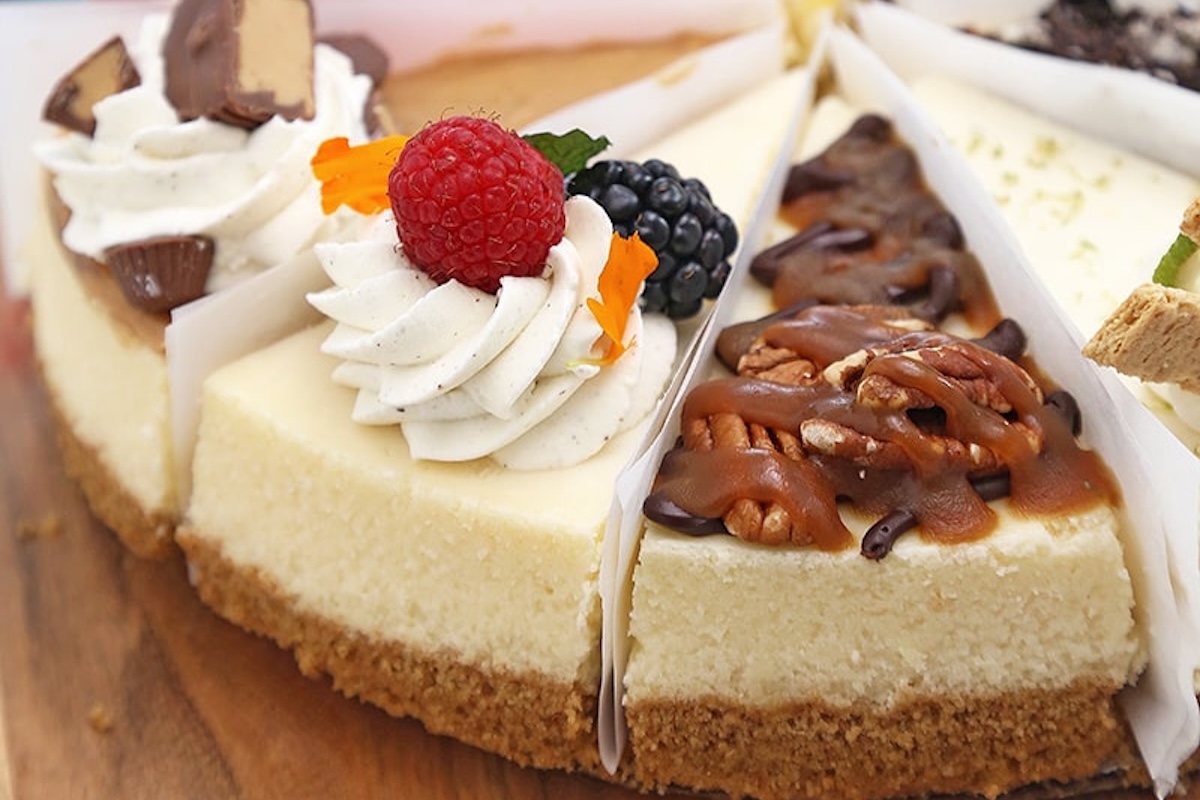
Cheesecake is one of those desserts that looks simple until you start asking why one version is dense and creamy, another is deeply browned and almost molten, and another cracks, sinks, leaks, or dries out.…
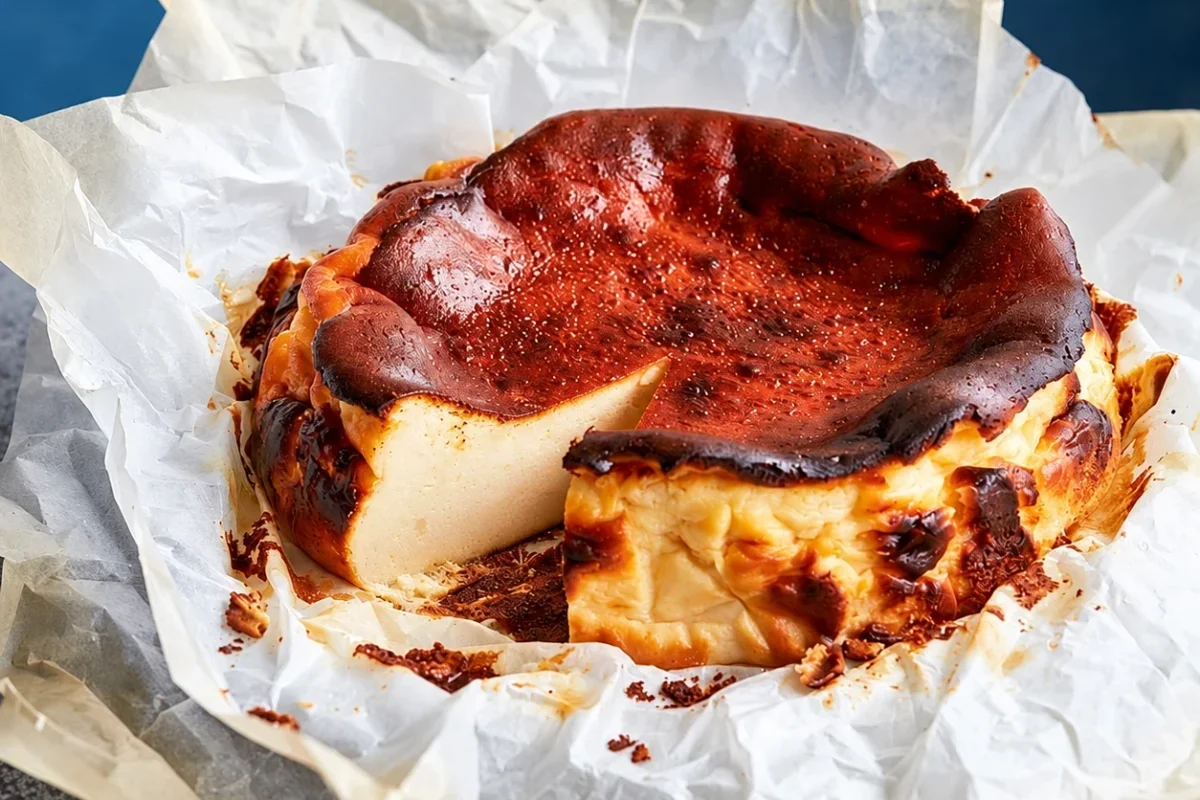
Today you can find Basque cheesecake in Michelin-recognized restaurants, luxury hotels, and pastry cases from Tokyo to New York. Chefs have dressed it up with chocolate and citrus-poached cherries, ube and huckleberry, blue cheese and…
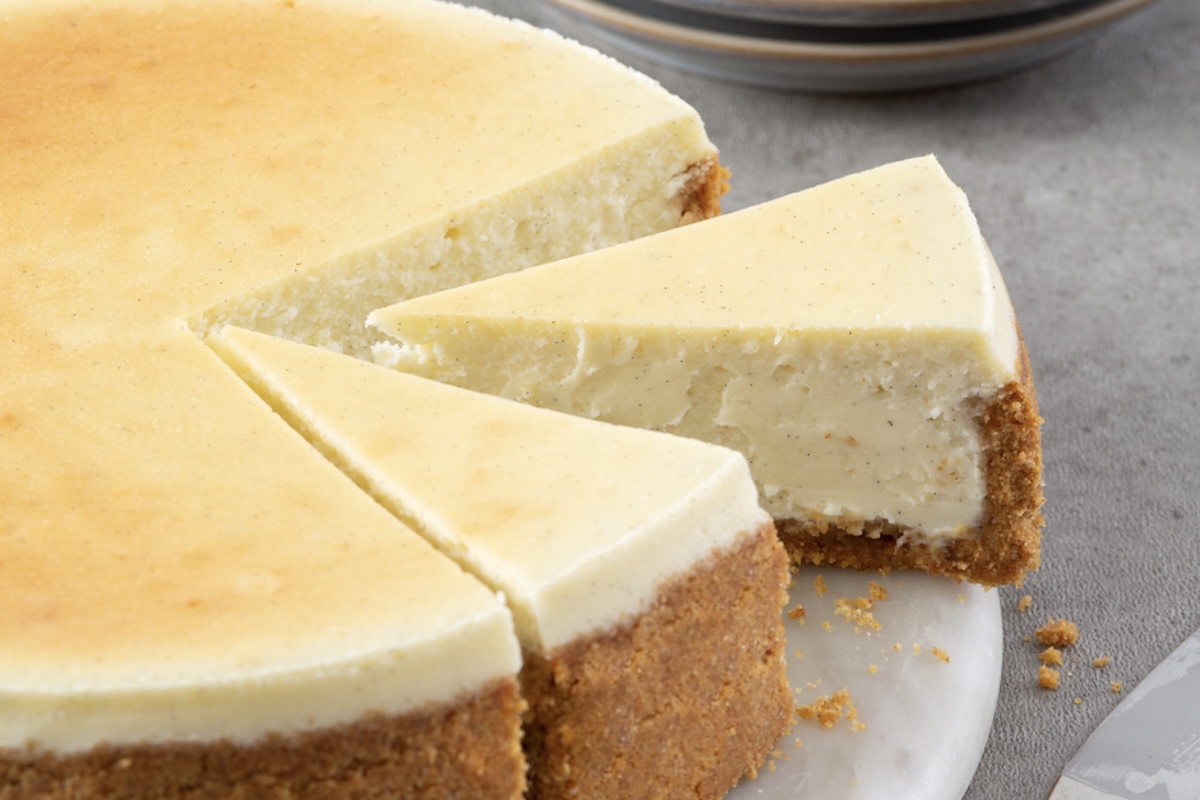
Everybody knows New York cheesecake when they see it: tall, rich, pale, deeply creamy, and substantial enough that one slice feels like a commitment. Ask exactly what makes it “New York,” though, and the clean…
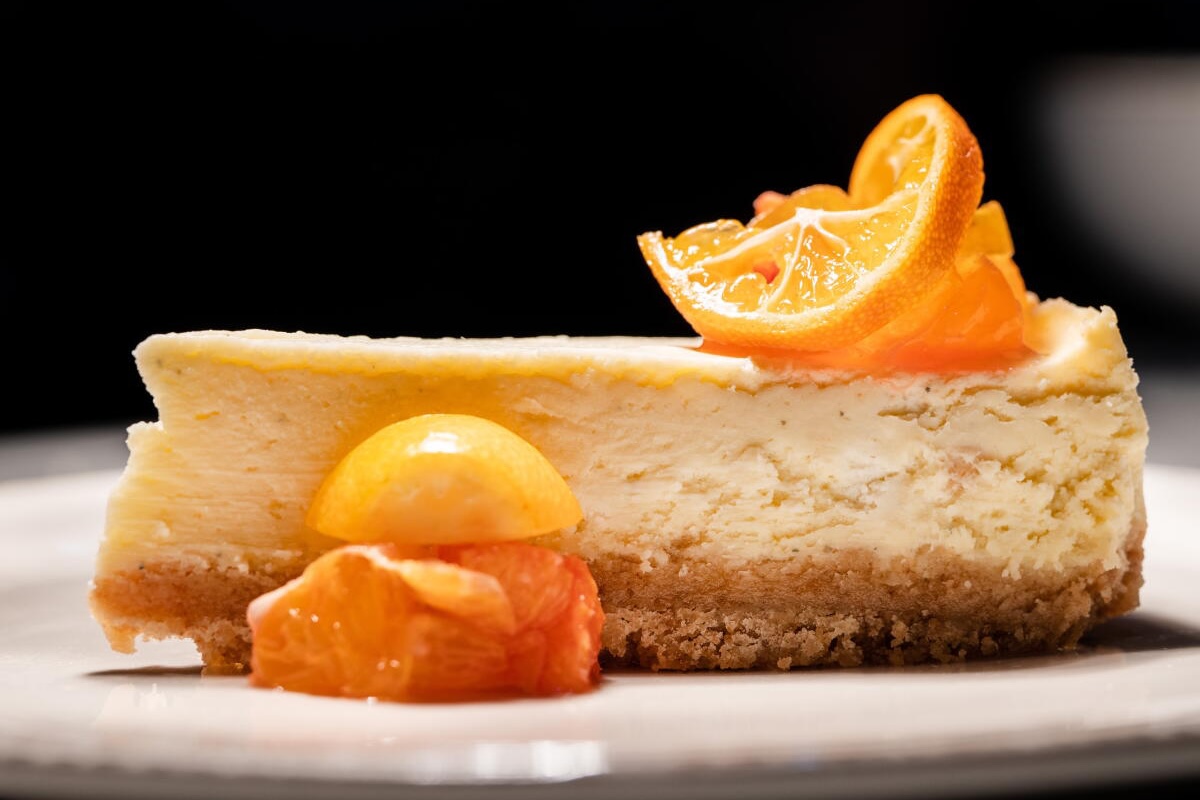
Cheesecake is not one fixed recipe but a family of desserts shaped by local cheeses, technology, and changing ideas about what “good” should taste and feel like. This lesson follows two very different descendants—New York-style cheesecake and the Basque-style cake associated with La Viña—to show how ingredients, heat, pan choice, and technique create radically different textures from the same basic custard system. Along the way, you’ll learn how to read doneness, prevent and troubleshoot common failures, and judge quality against the intended style rather than personal preference alone.
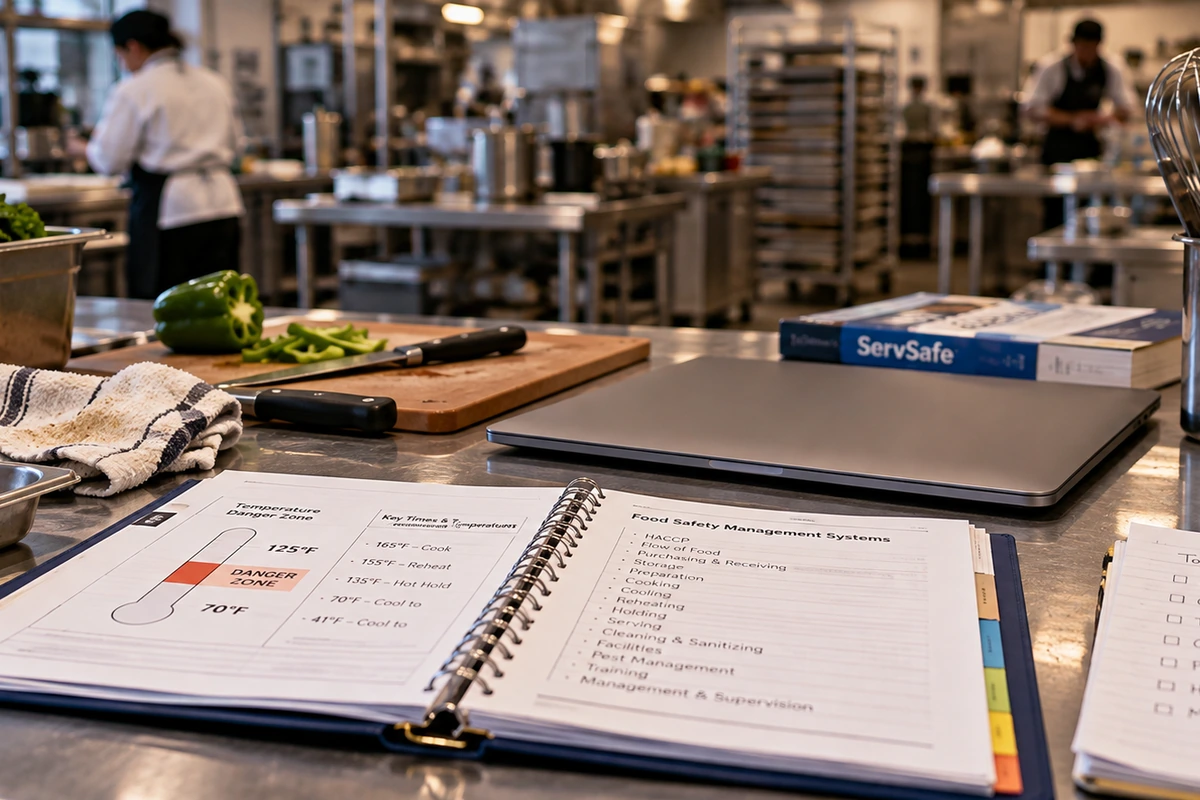
Why Stop Here? You have reached the end of the first major block of the course. Everything so far has been about the foundation: how foodborne illness happens, the hazards that cause it, the people…