When it comes to a job interview, you’ve got a lot of prep work to do. While it’s impossible to know every question you’ll get asked, the good news is that there are many common…
Build Interview Skills: How to Describe Yourself in 5 Words


Ten Years of Culinary Excellence
Ten Years of Culinary Excellence
When it comes to a job interview, you’ve got a lot of prep work to do. While it’s impossible to know every question you’ll get asked, the good news is that there are many common…

On any day we plan to serve Boba Tea, there are a number of things that have to be made THAT DAY. They can't be made in advance and stored in the fridge! All of…
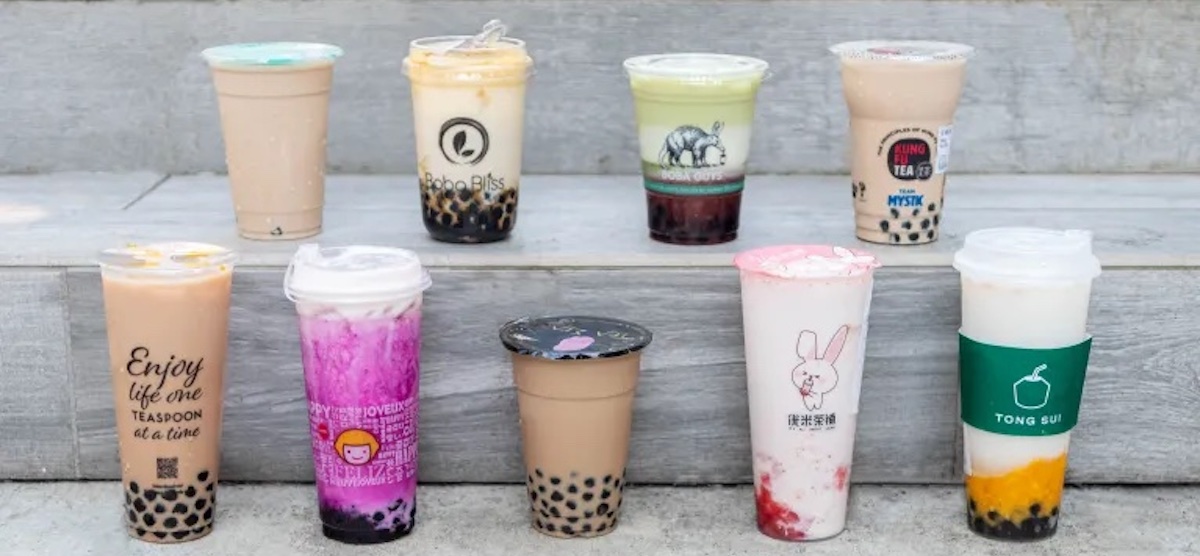
Unless you’ve been living under a rock, you've surely noticed the Taiwanese cultural food phenomenon bubble tea. Also known as boba tea, this drink has taken the world by storm, with bubble tea chains springing…

Bubble tea was created in Taiwan during the 1980s. Its popularity grew throughout Asia and has continued here in North America. In order to understand the drink a bit better, there are a few science-y things about each of the 5 main ingredients we’ve got to become just a tiny bit familiar with …. So let’s get to it!
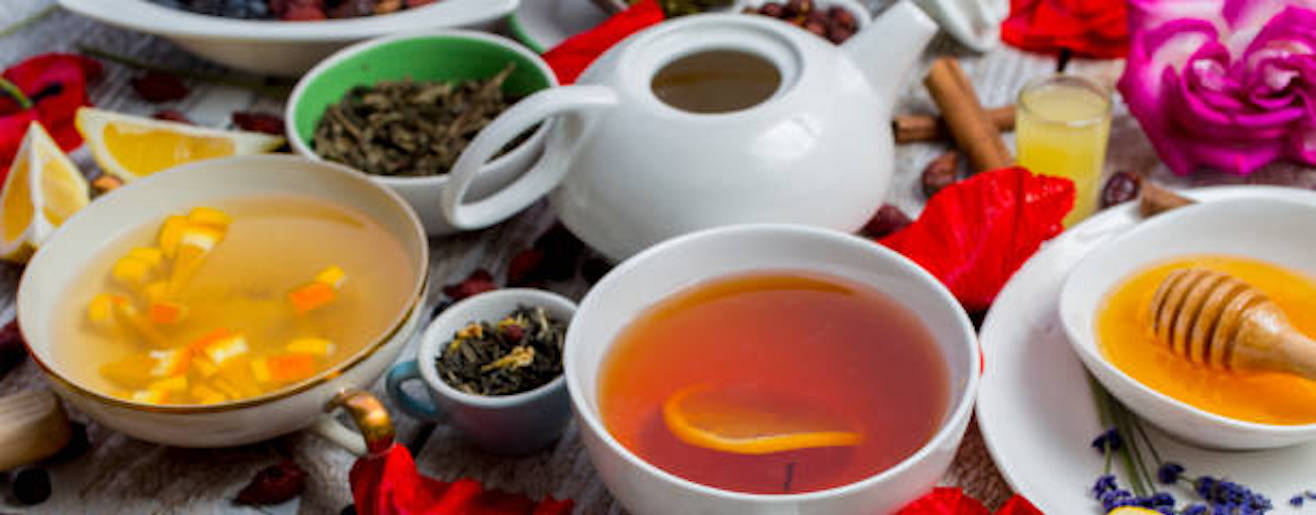
Tea is the most popular beverage in the world and it is consumed in hundreds of ways. Coffee, soda, fruit juices, koolaid, fancy, bubbly waters from fancy, bubbly countries? None of these have a CHANCE…
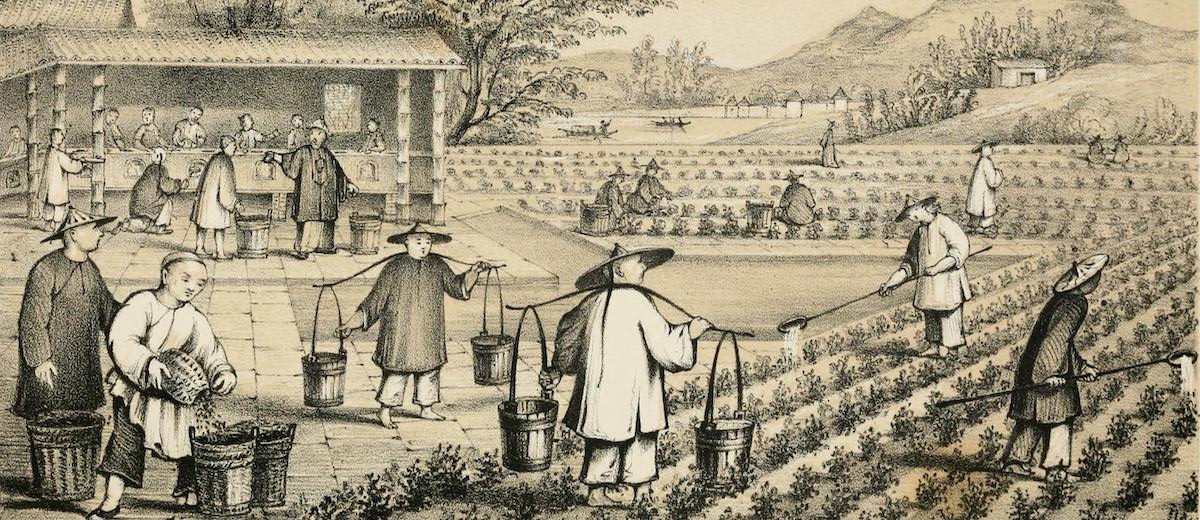
To get a handle on tea history - the weird, twisting, randomly violent story of tea... We're going to look at 10 things you probably didn't know about tea's strange timeline (but probably should). Is…
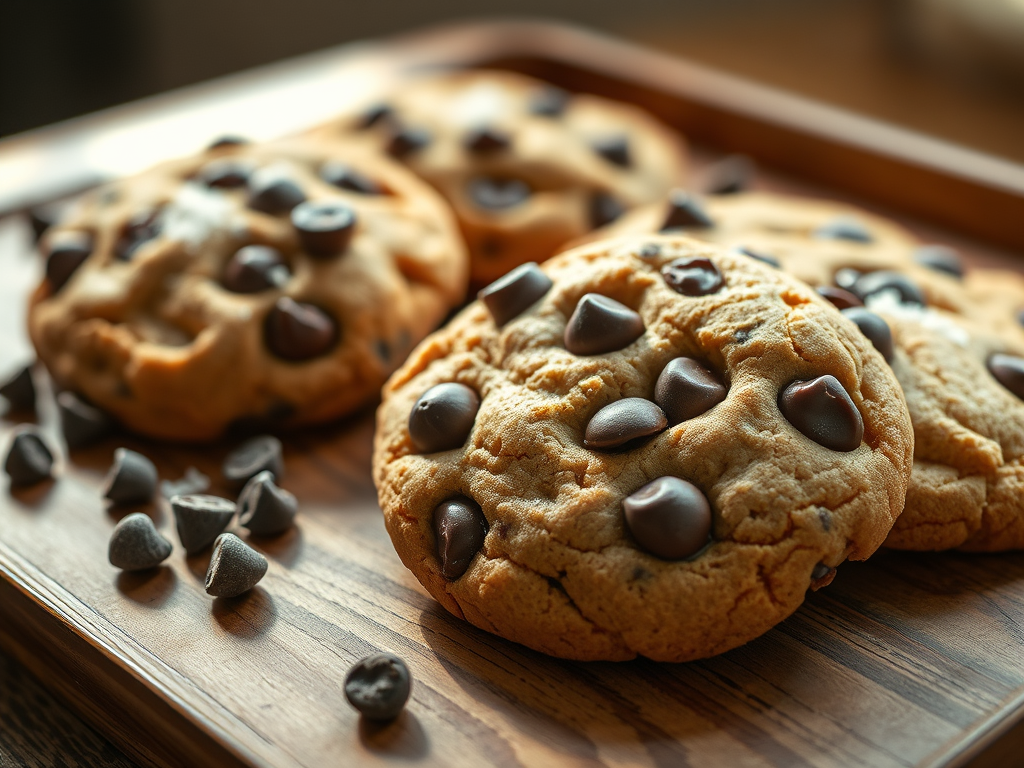
The Science of Chocolate chip cookies explored – with the “why” and “how” to make your own recipe version just the way you like.


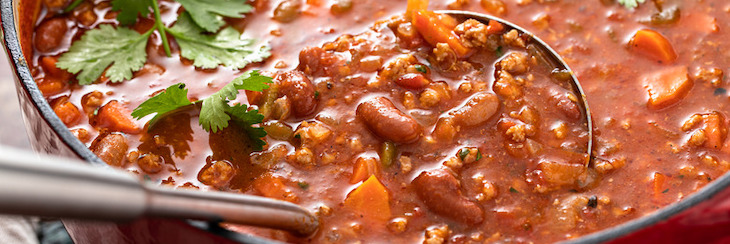
These are the chili destinations you've got to visit! Whether your mom mastered a multi-generational recipe, your community held chili cookoffs, or you frequented the Wendy's drive-thru, your idea of chili probably stems from the…
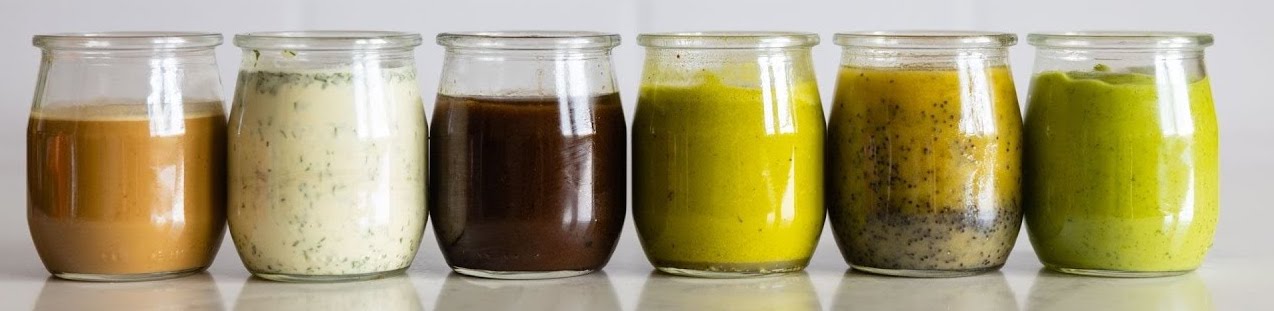
Ready to conquer the culinary challenge of emulsifying two liquids that normally hate each other? Maybe you’re trying to add oil to a vinaigrette dressing, combine cream and stock for a luxurious soup, or even…