To Make Great Ice Cream, Understand What’s In It
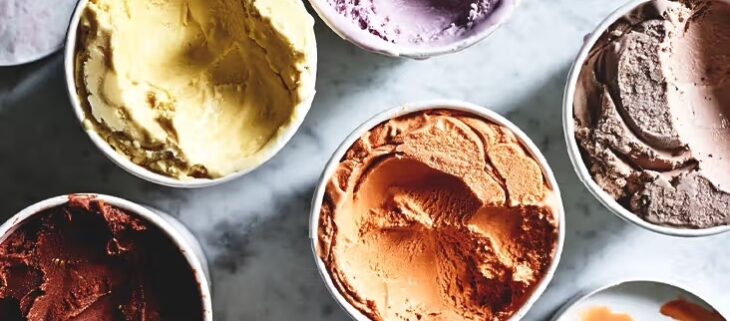
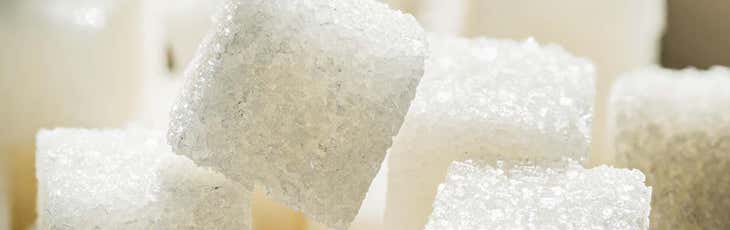
Ice cream is made up of six things, all happily playing together in harmony: ice crystals, fat, milk proteins, sugar, air, and some kind of texture or stabilizing agent. That’s what this post is all about: helping you to delve a little deeper so you can make something delicious! (Or at least know why your last batch turned out so bad).

Life Cycle of a Cacao Bean

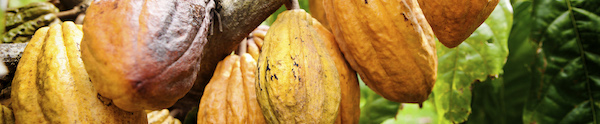
How farmers produce the cacao beans they send to manufacturers – the entire life cycle of a cacao bean from seedling tree to drying racks in the tropics; Special focus on the fermentation stage of cacao bean production and the formation of flavor precursors.

How Your Brain Interprets Flavor

Why is chocolate hard to describe? Hell, why is ANY food hard to describe to someone who has never tried it? The answer is more complicated than you think. This post will unwind some of the mystery surrounding how we taste foods and how that taste intersects with aroma and texture to create FLAVOR.

How Aroma, Temperature & Texture Impact Flavor

Only 25% of what you perceive as taste comes from your taste buds. Now you probably want to know “How does aroma get from this hot chocolate I’m drinking to my brain in such a way that I can “taste” a smell? How many “smells” are there? And where do they come from?” That’s what this post tries to answer.

The Science Behind Chocolate’s Amazing Flavor

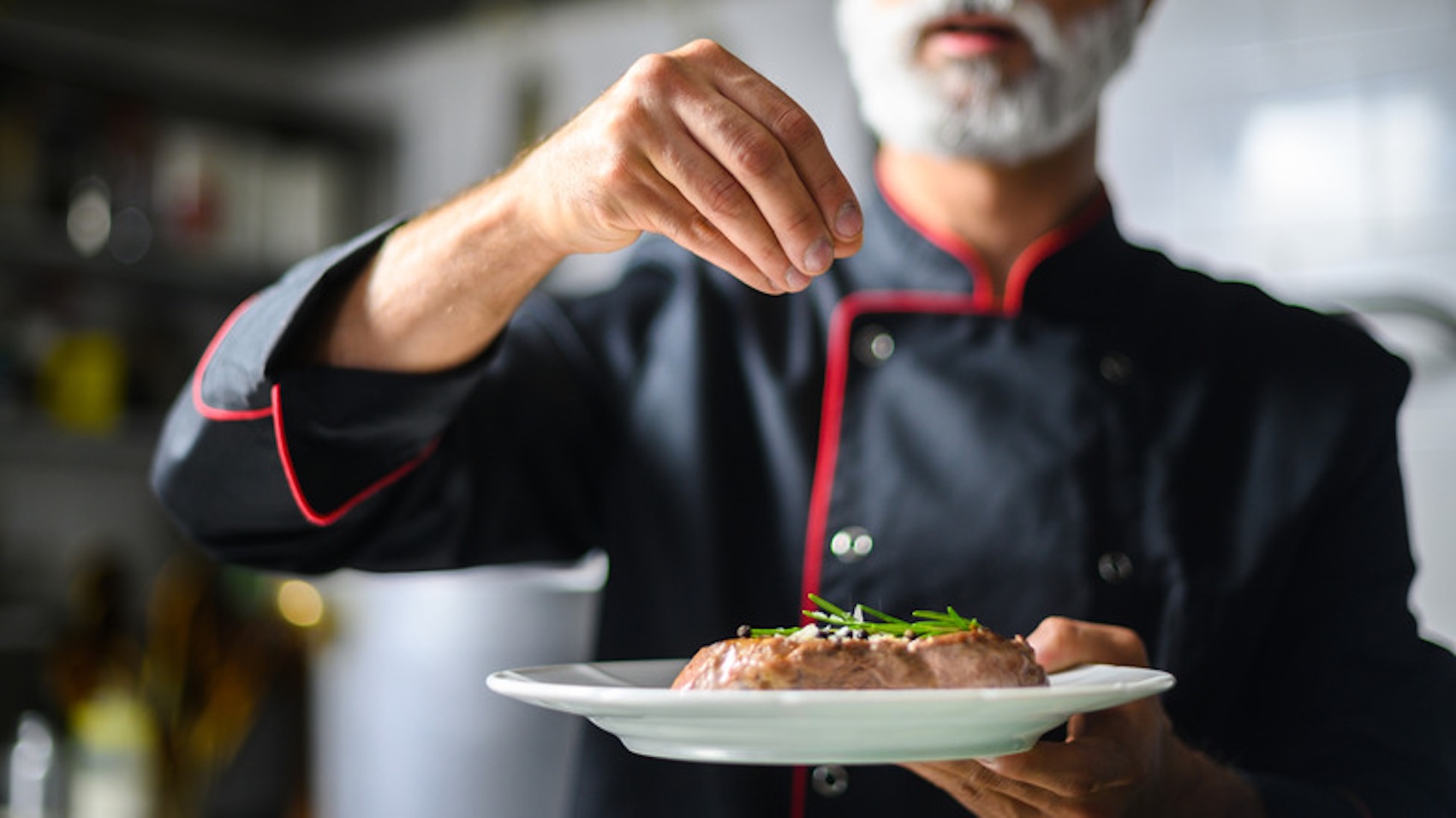
How we perceive the flavor of chocolate – the flavor of everything we eat, really – is a LOT more complex and fascinating a process than “my tongue told me it was yummy so I ate it.” Before we can start playing mad-scientists and creating our very own specialty chocolates, highlighting the flavors we like, diminishing those characteristics we don’t, we MUST grasp – at least on a basic level – how flavors are designed.