How Your Brain Interprets Flavor

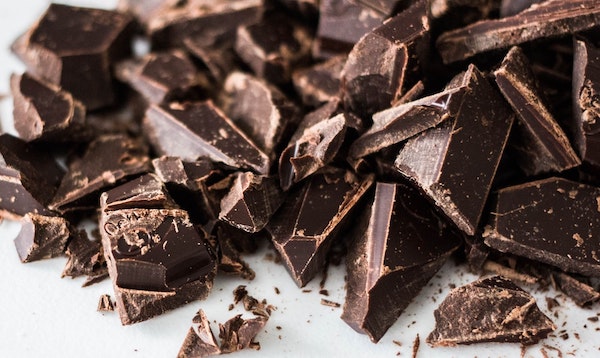
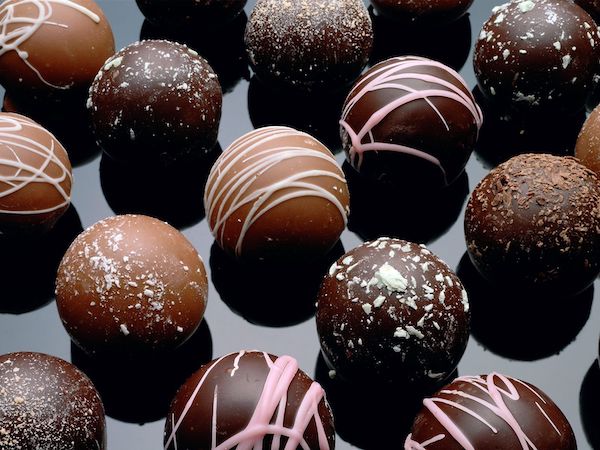
Why is chocolate hard to describe? Hell, why is ANY food hard to describe to someone who has never tried it? The answer is more complicated than you think. This post will unwind some of the mystery surrounding how we taste foods and how that taste intersects with aroma and texture to create FLAVOR.

How Aroma, Temperature & Texture Impact Flavor

Only 25% of what you perceive as taste comes from your taste buds. Now you probably want to know “How does aroma get from this hot chocolate I’m drinking to my brain in such a way that I can “taste” a smell? How many “smells” are there? And where do they come from?” That’s what this post tries to answer.

The Science Behind Chocolate’s Amazing Flavor

How we perceive the flavor of chocolate – the flavor of everything we eat, really – is a LOT more complex and fascinating a process than “my tongue told me it was yummy so I ate it.” Before we can start playing mad-scientists and creating our very own specialty chocolates, highlighting the flavors we like, diminishing those characteristics we don’t, we MUST grasp – at least on a basic level – how flavors are designed.

Professional Eggs Benedict: Culinary Tips for the Perfect Brunch

This comprehensive guide teaches you how to master the art of traditional Eggs Benedict by providing step-by-step instructions for perfect poached eggs and a creamy Hollandaise sauce. Beyond the basics, the post explores the fascinating history of the dish and its origins at iconic New York landmarks like Delmonico’s and the Waldorf Astoria. To round out your brunch skills, Chef Bates shares eleven popular variations, including Eggs Royale, Florentine, and Chesapeake, to help you customize the recipe to your liking.