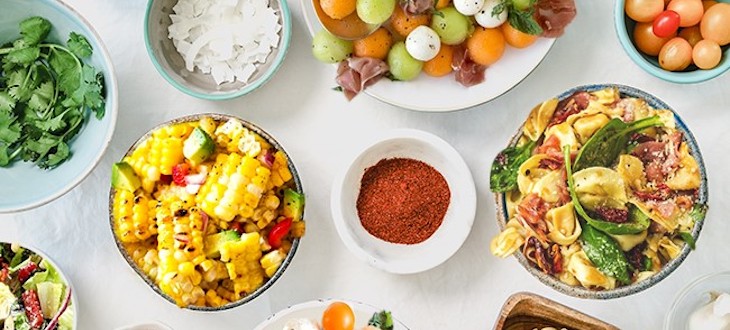
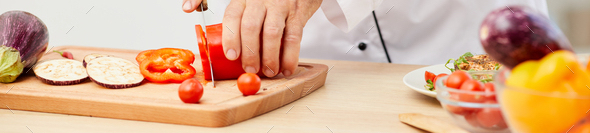
There are a couple of recipes that rely on your skill with a knife and they are EXCELLENT ways to practice handling a chef’s knife. Give these a try!
Knife Skill Recipes
Magnet Academy of Culinary Arts at Wekiva High School
There are a couple of recipes that rely on your skill with a knife and they are EXCELLENT ways to practice handling a chef’s knife. Give these a try!
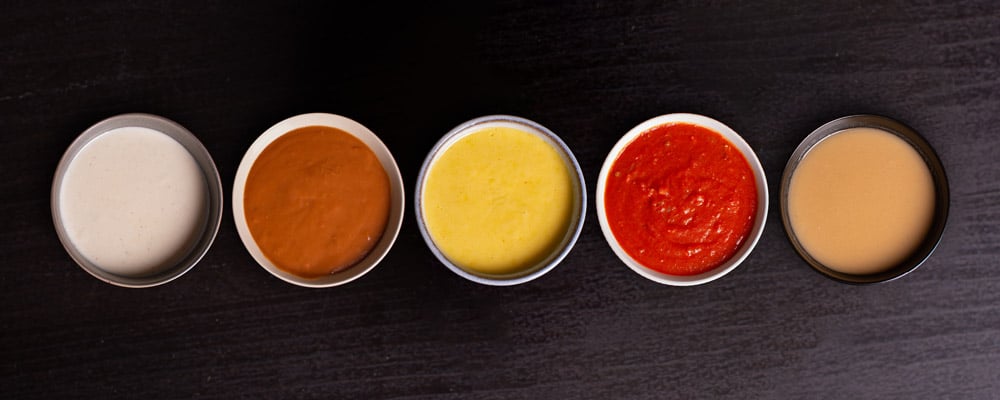
The word “sauce” comes from the French word that means “a relish to make food more appetizing.” All types of sauces are important in cooking. A good sauce adds flavor, moisture, richness, color, and visual appeal. Sauces should complement food, not disguise it. You can also use sauces as a contrasting flavor. For example, the sweetness of roosted pork goes well with a Dijon sauce (a brown sauce with Dijon mustard). Sauces come in many forms and are made in many ways – gravy, salsa, fruit coulis, pan sauces. All of these fall into the broad category of sauces.
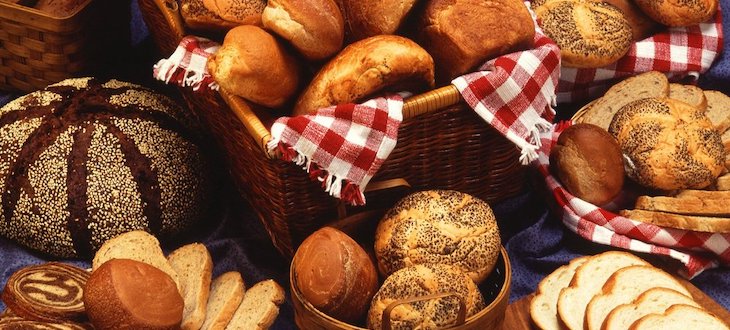
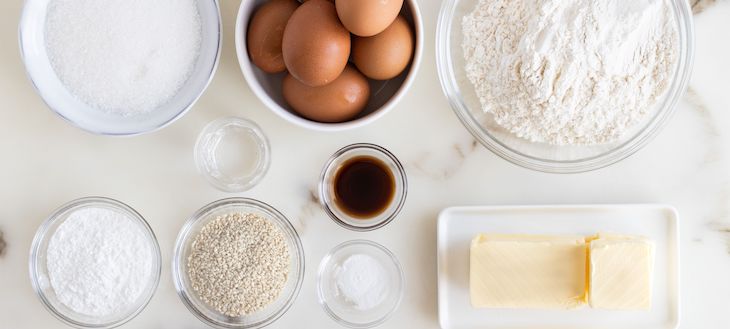
Nearly all bakery products use a common list of ingredients. Here is that list. Know it. Love it.
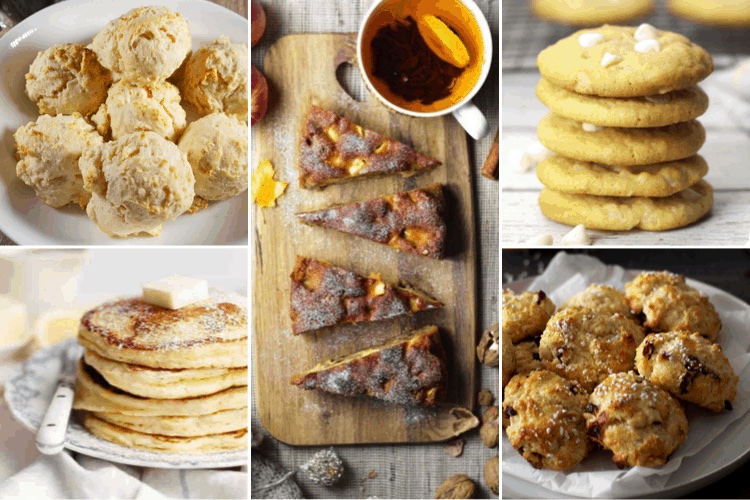
Quick breads are a special category of baked good that are leavened with chemical agents like baking powder or baking soda instead of yeast or eggs, allowing for faster preparation and baking. Basic ingredients, methods, how-to guide, and troubleshooting.
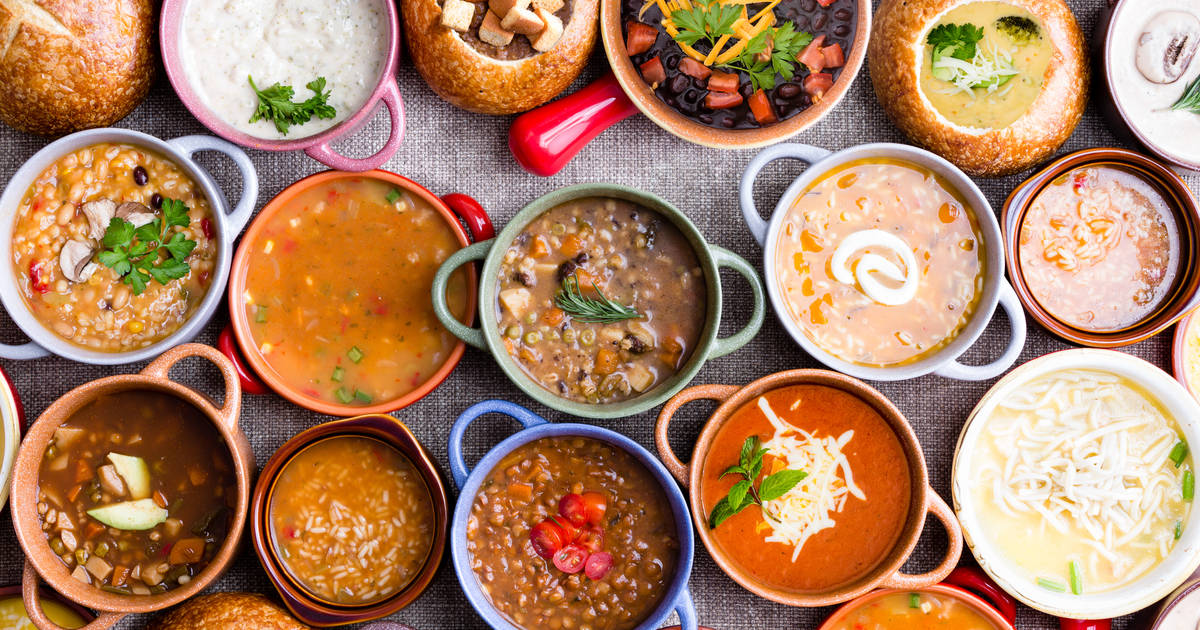
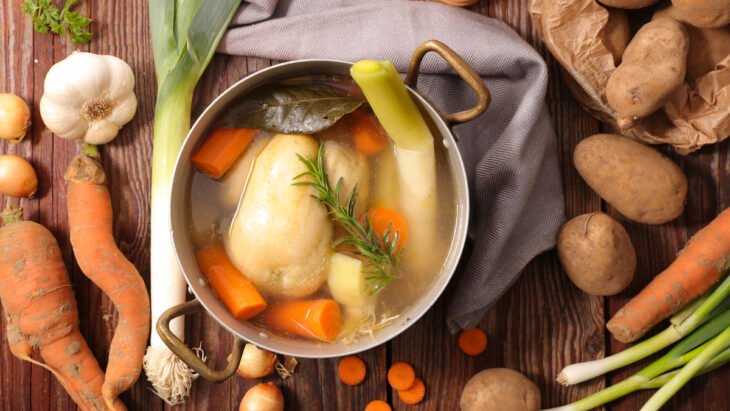
Everything you need to master to make the basic kinds of stock.
How farmers produce the cacao beans they send to manufacturers – the entire life cycle of a cacao bean from seedling tree to drying racks in the tropics; Special focus on the fermentation stage of cacao bean production and the formation of flavor precursors.
Why is chocolate hard to describe? Hell, why is ANY food hard to describe to someone who has never tried it? The answer is more complicated than you think. This post will unwind some of the mystery surrounding how we taste foods and how that taste intersects with aroma and texture to create FLAVOR.
Only 25% of what you perceive as taste comes from your taste buds. Now you probably want to know “How does aroma get from this hot chocolate I’m drinking to my brain in such a way that I can “taste” a smell? How many “smells” are there? And where do they come from?” That’s what this post tries to answer.
How we perceive the flavor of chocolate – the flavor of everything we eat, really – is a LOT more complex and fascinating a process than “my tongue told me it was yummy so I ate it.” Before we can start playing mad-scientists and creating our very own specialty chocolates, highlighting the flavors we like, diminishing those characteristics we don’t, we MUST grasp – at least on a basic level – how flavors are designed.
Throughout the MustangChef Bootcamp, from the first day to the last, all teams are in competition with each other to win the coveted MUSTANGCHEF TEAM TROPHY. Members of the competition teams are also competing against…