
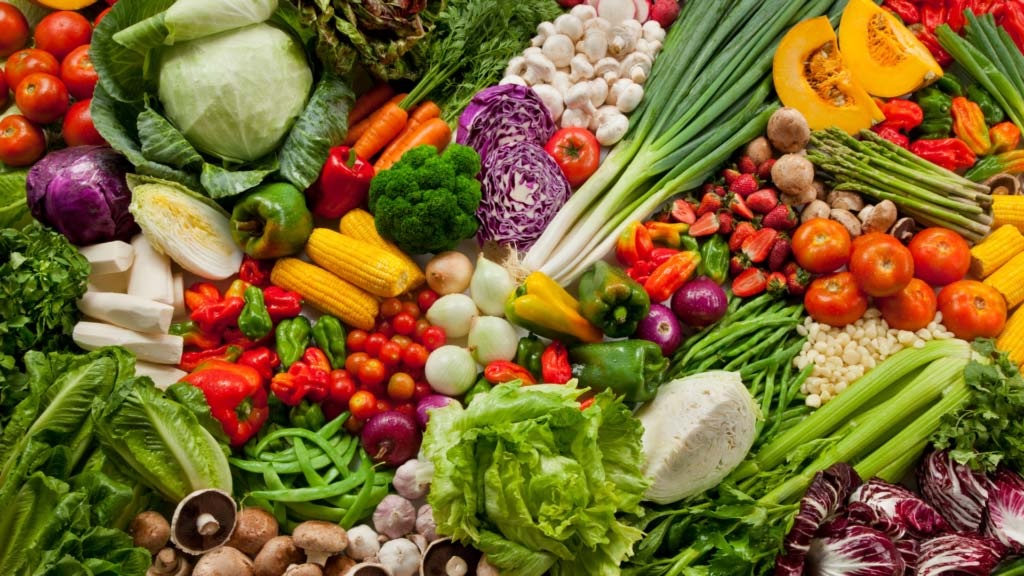
The Produce Paradigm: More Than Just a Garnish
Welcome to your second year, culinary kid! If you’re still looking at a crate of mushrooms or peas or something green and saying “dang, it’s just vegetables,” you’re in the wrong building. In the professional kitchen, vegetables are the architects of flavor, the masters of texture, and the primary source of nutritional complexity. Chefs don’t just turn veggies into “sides”anymore; we are managing molecular structure, creating tastebud transcendence, and making magic on the plate.
In the culinary world, a vegetable is defined as an edible, herb-like plant and each of them are classified by their botanical origins or the specific edible parts we’re harvesting for dinner: flowers, fruits, leaves, seeds, roots, tubers, or stems. Whether we’re purchasing them fresh, frozen, canned, pre-cut for convenience, or dried, we modern cooks are striving to understand the chemistry of the plant – the way it’s built – so we can determine the best cooking method.
That’s what this post is all about – the big six categories of vegetables you get to play with once you earn your chef’s coat and how best to prepare them to wow anyone brave enough to eat our creations.

1. The Cruciferous Collective: Flower Vegetables
These are the heavy hitters of the Brassica family: broccoli, cauliflower, Brussels sprouts, and cabbage. They’ve gained a massive following in the health world due to cancer-fighting compounds, but in the kitchen, they are notorious for their sulfurous potential. That’s right… these are the stinky veggies you hated when you were little.
Broccoli & Cauliflower: With these first two vegetables, we focus on the “head” (the clustered buds or florets). To avoid a texture disaster, cut broccoli stems lengthwise so they cook at the same rate as the delicate florets. If you’re serving them as crudités (the traditional French appetizer of raw, sliced veg with dip), ensure they are firm and vibrant. For cooking, consider blanching and shocking—plunging them into boiling water followed by an ice bath—to lock in that “al dente” bite and neon green color.
Brussels Sprouts: Essentially miniature cabbages growing on a thick, woody stalk. They handle high-heat roasting and steaming beautifully. Look for heavy, tight heads; if they feel light, they’re mostly air and disappointment.
Cabbage: From the tight, waxy heads of green cabbage to the loose, curly leaves of Savoy, these are your most versatile workhorses. They can go from raw coleslaw to braised savory dishes. And Fermentation? LOTS of great dishes ferment cabbage into something delicious: think sauerkraut or kimchi.
FUN FACT: Little kids dislike broccoli for a good reason: our saliva contains enzymes that break down broccoli, creating pungent, bitter, and sulfurous odors due to the presence of glucosinolates (GLOO-koh-SIN-uh-layts) in the vegetable.
In point of fact, glucosinolates are present in ALL the veggies in the cruciferous family. For the under-ten, picky-eater brat set, this sensitivity is heightened because children have more of that enzyme in their saliva, much more sensitive palates and more abundant taste buds, PLUS they have a significantly lower tolerance for bitter flavors. Why? Humans evolved to avoid bitter flavors (since most bitter things in nature are actually poisonous). What this means is simple: as far as the pre-teen child is concerned, they just KNOW some well-meaning mommy or daddy is trying to poison them when they put a pile of broccoli on their plate. To them it smells bad (like sulfur) and tastes bad (too bitter and too pungent).
To a lesser extent, we have to be careful when cooking cruciferous vegetables for everyone: overcook them, and the glucosinolates release hydrogen sulfide (the “old cabbage/ burnt gym sock” smell). Here’s what you do: Cook them fast or in an open pot to let those volatile gases escape. This way goes greatness.

2. The Botanical Identity Crisis: Fruit Vegetables
In the lab, a botanist defines a fruit as the seed-bearing structure of a flowering plant. In the kitchen, a Chef defines a fruit vegetable like this: “it grew from a flower, has seeds, and is primarily savory (not sweet).” Fruit veggies are split into two groups: the nightshades and the gourds.
The Nightshades (Solanaceae)
Avocados: There are two main varieties: Hass (dark, bumpy skin, rich/buttery flesh) and Fuerte (lighter green, smoother skin). Avocados are known for having healthy monounsaturated fats, being high in fiber, and having high protein (for a vegetable). Once cut, avocado turns brown quickly via oxidation, a chemical reaction that occurs when the enzyme polyphenol oxidase (PPO) in the flesh is exposed to oxygen in the air. This reaction produces brown pigments called melanin. While harmless, this process can be slowed by reducing air exposure, such as applying lemon juice, using plastic wrap, or using airtight containers.
Chef’s Secret: Avocados are weird vegetables, really. They’re a berry called a drupe eaten as a vegetable… that ripens only after being picked. To speed ripening, store your hard-as-a-rock avocados in a brown paper bag at room temperature (about 70*F). Oh, yeah… stick a banana or apple in there with the avocado to make things go faster: both fruits produce ethylene gas. Once ripe, refrigerate to slow down the process.
Tomatoes: These are botanical berries. They are rich in lycopene, a red pigment and powerful antioxidant. Tomatoes are grown in hundreds of varieties and come in several different colors, including red, yellow, and purple. Flavors run from sweet to slightly acidic.
Chef’s Secret: Pigments in fresh fruits and vegetables are sometimes nutrients as well as colors. Lycopene is an example. Lycopene is the red pigment of tomatoes. It is a chemical relative of the orange beta-carotene found in carrots. Lycopene is an antioxidant. Antioxidants stop the chain reactions caused by “free-radicals,” or highly reactive oxidative (destructive) changes that can occur in body tissues. HERE’S WHATS COOL: Lycopene is more bioavailable when cooked and consumed with fats (oil/butter), which is why a slow-simmered tomato sauce is nutritionally superior to a raw slice of tomato on a salad.
Eggplants: When purchasing eggplants (aubergines), pick vegetables with glossy, firm skin, that seem heavy for their size with a fresh calyx – the star shaped green leafy cap at the top of the fruit and which remains after harvest. Eggplants range from long and thin to short and plump and in color from white to violet to purple to black. There are three main varieties: Globe (standard), Japanese/Chinese (long, thin, less bitter), and Graffiti (striped, thin-skinned)
Chef’s Secret: Eggplants are sponges – HIGHLY absorbent! Chefs salt their sliced or diced eggplant to pull out moisture, reduce bitterness and stop them from becoming oil-logged sadness sponges. After salting (approx. 30 mins), rinse and thoroughly dry to encourage caramelization and better texture.
Bell Peppers: These vegetables are named after their shape and they ALL start out green (and change color during ripening based on the variety: red, yellow, brown, orange, purple, and even cream). They are highly nutritious—red ones have more vitamin C than citrus—and can be roasted, sautéed, stuffed, or eaten raw, storing well for 1-2 weeks in refrigeration.
Chili Peppers: Chili peppers are related to bell peppers… distantly. They are also fruits of the Capsicum genus, but these range from mild to intensely hot, with heat measured in Scoville Heat Units (SHU) determined by capsaicin content. Chilis offer flavors ranging from citrusy and bright to earthy, smoky, and chocolatey. Dried chilies (e.g., Ancho, Guajillo, Pasilla) offer complex, deep flavors compared to fresh counterparts. When balancing flavors, you can counteract excessive heat,by using dairy (yogurt, cream), acidic components (lime juice), or sweeteners (honey, sugar)
- Roasting: Enhances sweetness and adds a smoky depth.
- Dried/Ground: Used in moles, stews, and spice rubs.
- Raw: Keeps the sharp, fresh heat intact for salsas.
Chef’s Secret: Always wear gloves when handling hot peppers to avoid skin irritation – never, EVER touch your face, eyes, nose, or any other body part you don’t want a chemical burn while working with hot peppers! Capsaicin is oil-soluble, meaning water does not wash it off hands. This is ALSO the reason why drinking water when your mouth is burning does NOTHING to help (and sometimes spreads the capsaicin around, making it WORSE. Drink some milk, buttercup.
The Gourds and Cucurbits
Summer Squash (Zucchini/Yellow Squash): Harvested young with thin, edible skin and soft seeds. They are water-heavy and take on flavors easily.
Winter Squash (Butternut/Pumpkin/Acorn): These possess a hard rind (exocarp) and require roasting to break down their tough fibers and large seeds. They range in size from large pumpkins to spaghetti to butternut to the smaller acorn squash. They range in flavor from sweet to mild, and some can be bitter. They offer nutty, sweet flavor profiles.

3. The Leafy Elite: Green Leafy & Field Mixes
More than just a salad… green leafy vegetables provide major flavor and tons of nutrition. These are your vitamins A, C, iron, and magnesium powerhouses.
The Four Pillars of the Lettuce Family:
- Butterhead: Small, round, soft, and buttery (e.g., Bibb).
- Crisphead (Iceburg): Tightly packed, mild, and crunchy (e.g., Iceberg).
- Leaf: Loose leaves with curly edges, no head structure.
- Romaine: The flavor king; elongated heads with slightly ruffled leaves. Famous for being the star of Caesar salad.
The Bitter Greens: Mustard and collard greens have dark, ruffled edges and a sharp bite. They require longer cooking times (braising) compared to the delicate, adaptable spinach or the colorful, beet-related Swiss chard. Swiss chard is actually a type of beet that does not have a root. Swiss chord produces wide, dark-green leaves with brightly colored stalks from yellow to red.
Field Mixes & Mesclun: A seed blend of various young greens. You’ll find everything from peppery arugula and watercress to tangy sorrel and bitter radicchio. Mesclun, field greens, and field mixes are largely interchangeable terms for a combination of assorted tender salad greens, frequently sold as spring mix. Mesclun, from the French for “mixture,” traditionally refers to a specific mix of baby lettuces, arugula, chervil, and endive, while field greens/mixes are broader terms for mixed baby lettuce and mustard greens These are best served fresh with a simple vinaigrette to let the individual flavor profiles shine.

4. Seeds of Success: Seed Vegetables
Here, the seeds are the meal.
Corn: There are six main types of corn—sweet, dent, flint, popcorn, flour, and pod—and each are classified by kernel characteristics like starch content, sugar levels, and hardness. Sweet corn is eaten fresh, while dent (field) corn is used for livestock feed, making ethanol, and for processed food (like corn chips). We make polenta from flint corn and tortillas from Flour corn. Fresh sweet corn is a race against time. The moment it’s picked, its natural sugars begin converting to starch. If it’s not sweet, it’s old. Sweet corn varieties are classified by color (yellow, white, bi-color) and sugar levels (sugary, sugar-enhanced, and supersweet). Top culinary choices include creamy Silver Queen for soups, sweet Golden Bantam for grilling, and tender, high-sugar hybrids like Bodacious for fresh eating. Choose your corn based on intended use: sweet-enhanced for flavor, or supersweet for a crisp texture.
Beans: There are an estimated 40,000 varieties of common beans (Phaseolus vulgaris) worldwide. In culinary terms, we call the entire family of beans legumes. While only a small amount of the 40K types are cultivated and sold in supermarkets, the diversity in color, flavor, and growing habits includes hundreds of well-known types like black beans, pinto beans, kidney beans, and navy beans. All beans are nutrient-dense and most are also cost-effective (another way to say CHEAP). What’s more, these guys are really good for you: they are versatile proteins AND a great source of complex carbohydrates. In terms of cooking and eating, some beans are eaten while in the pod (like green beans, yellow wax beans), others are shelled before cooking (like fava beans, lima beans); still others are dried and must be soaked to rehydrate them before cooking.
Shelling fresh beans is a PIA and, I supposed, a labor of love, but the texture of a fresh-shelled bean is SO MUCH BETTER than the dried or frozen varieties… they’re worth the effort.
Chef’s Secret: Beans give you gas when you eat ’em because they contain high amounts of a complex sugar called oligosaccharide (specifically raffinose) and a bunch of dietary fiber. Humans can’t fully digest those sugars, so… the undigested carbohydrates reach the large intestine, where bacteria ferment them, producing gases like hydrogen, methane, and carbon dioxide. How do you stop that? Well, you can soak them a bit longer than 8 hours and rinse them really well, you can cook them till they’re falling apart, take some Bean-o (which contains an enzyme to help beans break down), or laugh at your smelly self while your natural microbiome to develop. It might work! Maybe!
Peas: From garden peas to sugar snap peas to Chinese pea pods (also known as “snow peas”), these little guys are high-sugar legumes that quickly convert to starch after harvest, requiring immediate use or storage to maintain sweetness. They are rich in vitamins A/C, require minimal cooking—brief blanching or steaming—to retain their vibrant color.

5. The Underground Resistance: Roots, Tubers, and Alliums
Root Vegetables & Tubers
These are the plant’s pantry, packed with starches and sugars.
Carrots: Carrots balance sweetness with earthy, slightly bitter notes. Their high sugar content makes them ideal for caramelization (roasting/glazing) or adding natural sweetness to raw applications like slaws. Carrots are a core component of French mirepoix (carrot, onion, celery) and Italian soffritto. They are also commonly used in stocks, soups, stews, and braising liquids.They can be roasted, boiled, steamed, sautéed, pureed, or eaten raw, in both savory dishes and desserts (e.g., carrot cake). While orange is most common (indicating high beta-carotene), carrots also come in purple, yellow, and white varieties. They are a rich source of nutrients including Vitamin K, fiber, and Potassium.
Chef’s Secret: Remove leafy green tops immediately to prevent moisture loss, as tops pull moisture from the root. Store carrots in a refrigerator, ideally in a perforated plastic bag for 1–3 weeks. Keep away from ethylene-producing items like apples or potatoes.
Beets: Their earthy flavor comes from a chemical called geosmin. Choose smaller beets for better appearance and faster cooking. They taste like dirt and must be avoided at all costs. Nasty, poo-vegetable.
Turnips & Rutabagas: Turnips are versatile, cruciferous root vegetables with edible roots and leafy greens, prized for a mild, peppery flavor when raw and a sweet, nutty taste when cooked. The rutabaga is actually a cross between a cabbage and a turnip. Both offer a peppery punch that mellows with roasting.
Potatoes: The ultimate tuber (a fat, underground stem). They are classified by starch and moisture content.
- Starchy (Mealy) – e.g., Russets, Idaho: High starch, low moisture. They are light and fluffy when cooked, ideal for baking, frying, and mashing.
- Waxy – e.g., Red Bliss, New Potatoes: Low starch, high moisture. They hold their shape well after cooking, making them perfect for boiling, roasting, and potato salads.
- All-Purpose – e.g., Yukon Gold: Medium starch, versatile. Great for mashing, roasting, and gratin, often providing a better flavor and color than Russets.
Chef’s Secret: Store your potatoes in a cool, dark, and dry place, NOT in the refrigerator. Why not? The cold temperature (below 40*F) converts the potato’s starch into sugar, resulting in a sweet, gritty, or mushy texture. This chemical reaction, known as cold-induced sweetening, might also produce increased levels of unhealthy, cancer-causing acrylamide when later cooked at high temperatures
Sweet Potatoes vs. Yams: Both of these vegetables are not related to each other, nor are they related to potatoes – sweet potatoes are in the morning glory family and yams are in the Dioscoreaceae family. They don’t taste alike (Sweet potatoes are creamier and orange (beta-carotene); yams are starchier and can range from red to white) nor are they cooked the same. Fun fact: Most “yams” in U.S. grocery stores are actually soft sweet potatoes. True yams are usually found in international markets and or sold in smaller chunks covered in wax. Watch out! True yams are toxic if uncooked.
Chef’s Secret: Canned sweet potatoes are labeled “yams” in America due to a marketing tactic from the 1930s meant to distinguish softer, orange-fleshed sweet potatoes from firmer, white-fleshed varieties. The term stuck, and now it is used to describe soft, orange, candied sweet potatoes, which are entirely different from the real thing.

The Alliums (Bulb Vegetables)
Onions, leeks, shallots, and scallions. They provide the aromatic foundation of almost every savory dish.
Onions: There are four primary types of onion:
- Yellow: The standard all-purpose onion, great for roasting, sautéing, and caramelizing due to its high starch content, making up 90% of US consumption.
- Red: Best for raw applications like salads, sandwiches, or pickling due to their bright color and mild flavor, (though they taste great cut into thick slices and grilled).
- White: Crisp, sharp, and clean flavor, often used in Mexican dishes, salsas, or quick cooking.
- Sweet (e.g., Vidalia, Walla Walla): High sugar content, low pungency, ideal for fried onion rings or slicing raw and putting on a Publix Sub.
Leeks: Resemble giant green onions and have the mildest flavor. Use only the white and light green parts; the dark tops are for the stock pot.
Shallots: Shaped like small onions but separate into cloves. They offer a more refined, garlic-adjacent sweetness.
Green onions, Pearl Onions, Scallions, (sometimes called shallots to confuse everyone), and Cebollitas: All of these guys are baby onions – harvested before they can grow very big – and have a mild, sweet flavor and a crisp texture, making them ideal for both raw garnishes and quick-cooked dishes. The entire plant is edible, with the white bulbs offering a stronger, savory flavor compared to the milder, grassy green tops.
Chef’s Secret: Chives and green onions aren’t the same, although they ARE distantly related. Chives are small, delicate herbs with a mild flavor, perfect for raw garnishes, while green onions (or scallions) are immature onions with thicker, pungent, white-to-green stalks better suited for cooking or adding sharp flavor. Chives are intensely green and hollow; green onions have white bulbs and a crisp, stronger taste.

6. The Structuralists: Stem Vegetables & Fungi
Artichokes: You are eating the immature flower of a thistle. Preparing them is an art form; you must remove the prickly bracts (leaves) and the “choke” (the fuzzy center). The base of the plant is called the ‘heart” and that is what we actually eat – many chefs prefer to tourné the base for a professional presentation. This is another vegetable that oxidizes quickly: Rub cut surfaces with lemon or store in acidulated water (water with lemon juice or vinegar) immediately.
Chef’s Secret: Artichokes contain cynarin, a compound that can make subsequent foods (especially water or wine) taste sweet. They are available year-round, but peak in spring and fall.
Asparagus: Thick stalks are older and woodier; thin stalks are tender. White asparagus is grown through etiolation (keeping it in the dark so it never develops chlorophyll). Store upright in the refrigerator in a container with a little water (like flowers) or wrap the ends in a damp paper towel to maintain freshness for up to 5 days. Trim the tough, woody bottom ends, usually the lower 1-2 inches. They can be snapped (nature’s breaking point) or cut with a knife. Thickness indicates plant age, not tenderness. Thin spears are excellent for quick cooking (salads, stir-fry), while thicker spears are ideal for roasting or grilling.
Mushrooms: Culinarily a vegetable, biologically a fungus. They range from the delicate morel to the meaty portobello. They are HIGH in water (90–95%), and rich in umami, necessitating techniques like high-heat searing to remove moisture and promote the Maillard reaction. Gently clean with a pastry brush or damp cloth rather than washing, as they are sponge-like and absorb water, though a quick rinse is fine if cooked immediately. Store in breathable containers (paper bags or cardboard boxes) rather than plastic to prevent sliminess.
- White Button/Cremini/Portobello: All of these mushrooms are the same – they are only harvested at different maturity stages, offering varying levels of flavor/firmness.
- Shiitake: Rich, earthy umami flavor, often with tougher stems that are better suited for stocks.
- Oyster: Delicate texture, quick-cooking, often with a slight seafood-like nuance.
- Porcini: Highly prized for a distinct, intense nuttiness; often used dried for sauces.
Chef’s Warning: Mushroom hunting is for experts only. One wrong “shroom” (like a false morel) and your career—and life—are over. Stick to reputable purveyors.

VEGGIE WORDS: Speak the Technical Glossary of the Line
Knife Skills
- Dicing/Mincing: “Rough” cuts for even cooking and presentation – not a specific size. However, these two cus ARE different – primarily based on size and uniformity. Dice refers to cutting food into uniform small cubes (somewhere between 1/4 – 1/2 inches), while mince is the finest cut, creating tiny, irregular pieces (roughly 1/8 of an inch or less) that almost melt into dishes. These are not to be confused with the highly precise french terms for small dice.
- Julienne: Cutting vegetables into long, uniform, thin strips, often referred to as a “matchstick” cut (1/8 x 1/8 x 2-3 inches long).
- Chiffonade: Rolling leafy vegetables (like spinach or basil) and slicing them into thin, delicate ribbons.
- Brunoise: Cutting vegetables into extremely small, uniform cubes (1/8 x 1/8 x 1/8).
- Tourné: A precise technique that results in a 7-sided, football-shaped piece, often used for root vegetables.
- Concasse: Tomatoes that have been peeled, seeded, and chopped.
- Mirepoix: A mix of 1 part diced carrots, 2 parts onions, and 1 part celery used for flavoring stocks and soups.
- Crudité: Raw vegetables that are sliced or cut for dipping as an appetizer.
Cooking Techniques
- Sweat: Cooking vegetables slowly in a small amount of fat over low heat to make them tender and translucent without browning, allowing them to release moisture.
- Roasting: Cooking vegetables in the oven with high heat to caramelize their natural sugars, concentrating flavor.
- Blanch and Shock: Similar to blanching, this prepares vegetables for further cooking or freezing.
- Glazing: Cooking root vegetables (like carrots) with butter, sugar, and water until they are coated in a shiny, sweet glaze.
- Parboiling: Partially cooking in boiling water to shorten final service time.
- Pureed: Breaking down cooked veg into a smooth, refined texture for sauces or mousses.
- Al dente: Cooking vegetables until they are tender on the outside but still firm to the bite.
Culinary Styles
- Bouquetiere: A bouquet or mixture of fresh, seasonal vegetables.
- Jardiniere: Vegetables that have been cut into sticks or “garden style”.
- Printaniere: Spring vegetables, usually served in their early, delicate stage.
- Florentine: A term denoting a dish prepared with spinach.
- Lyonnaise: Vegetables cooked with onions.
- Provençale: Vegetables cooked with garlic, olive oil, and tomatoes.
Treat your produce with the same technical rigor you’d apply to a dry-aged ribeye, and you might just make it to graduation.