Video Introductions to Wekiva Culinary


Magnet Academy of Culinary Arts at Wekiva High School
Magnet Academy of Culinary Arts at Wekiva High School
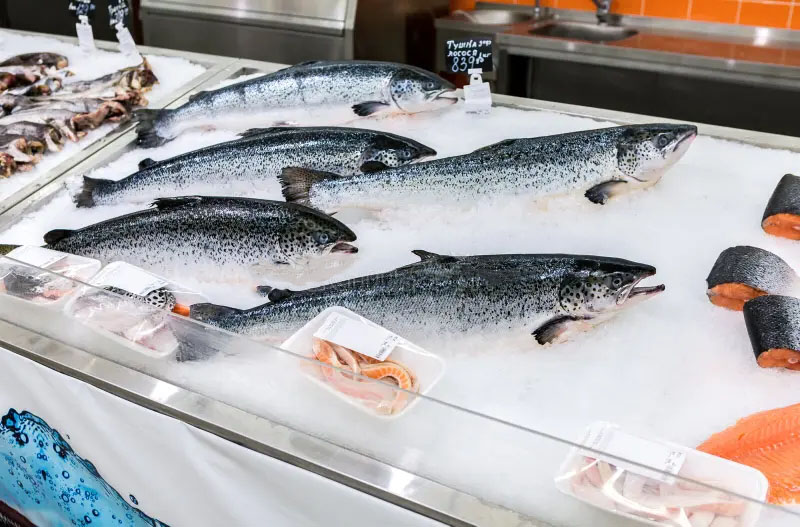
Listen up, future chefs. If you want to master the seafood station, you have to respect the salmon. It’s the "steak of the sea"—versatile, fatty, and high-stakes. One minute it’s a buttery masterpiece; the next,…
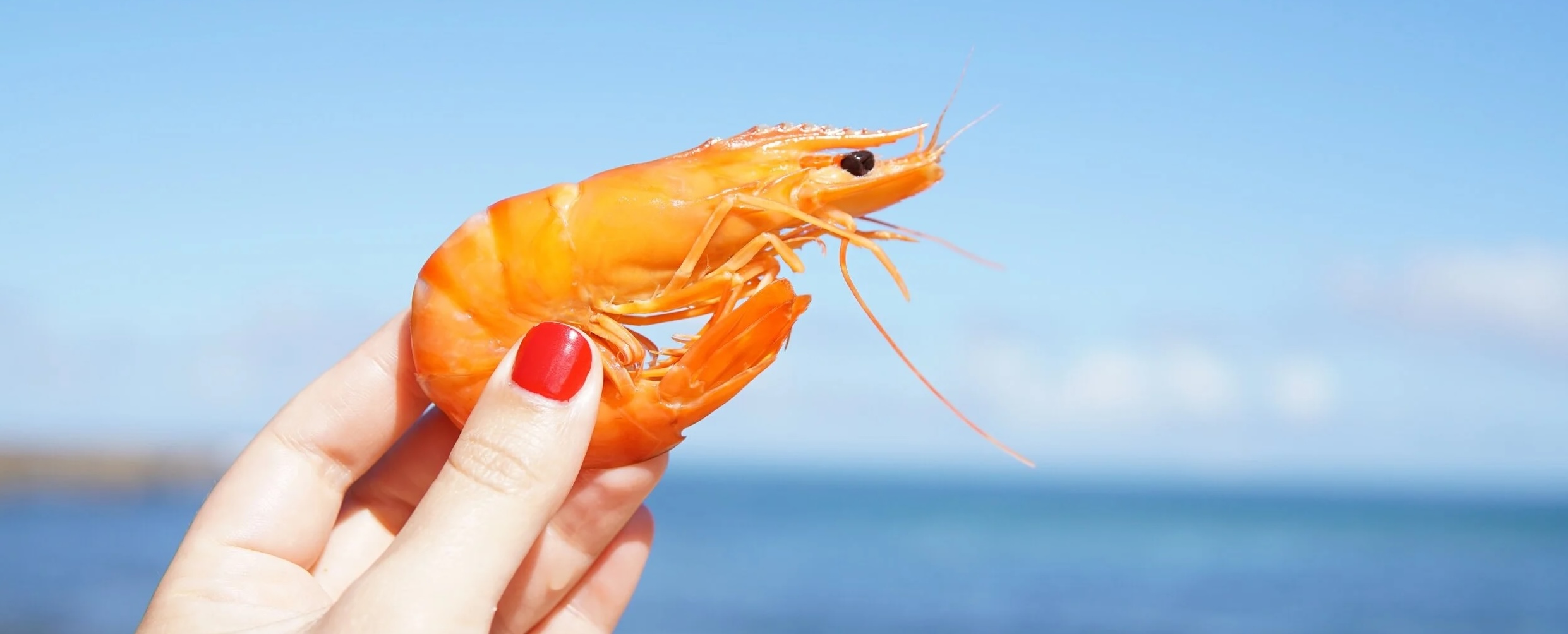
For my culinary students, shrimp is a "triple threat": it requires an understanding of market terminology, precise sizing, and split-second cooking. Learning to cook shrimp is a fundamental skill for any culinary student because of…
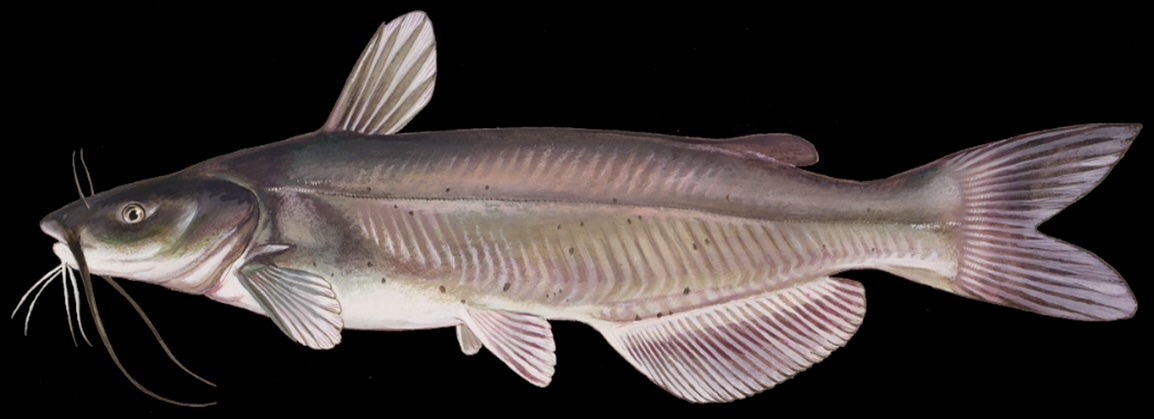
Mastering catfish is your bridge from being a "comfort food DIY cook" ...to a serious Sous chef. THIS is where the professionals get seperated from the wannabes. While Catfish is the undisputed king of seafood…
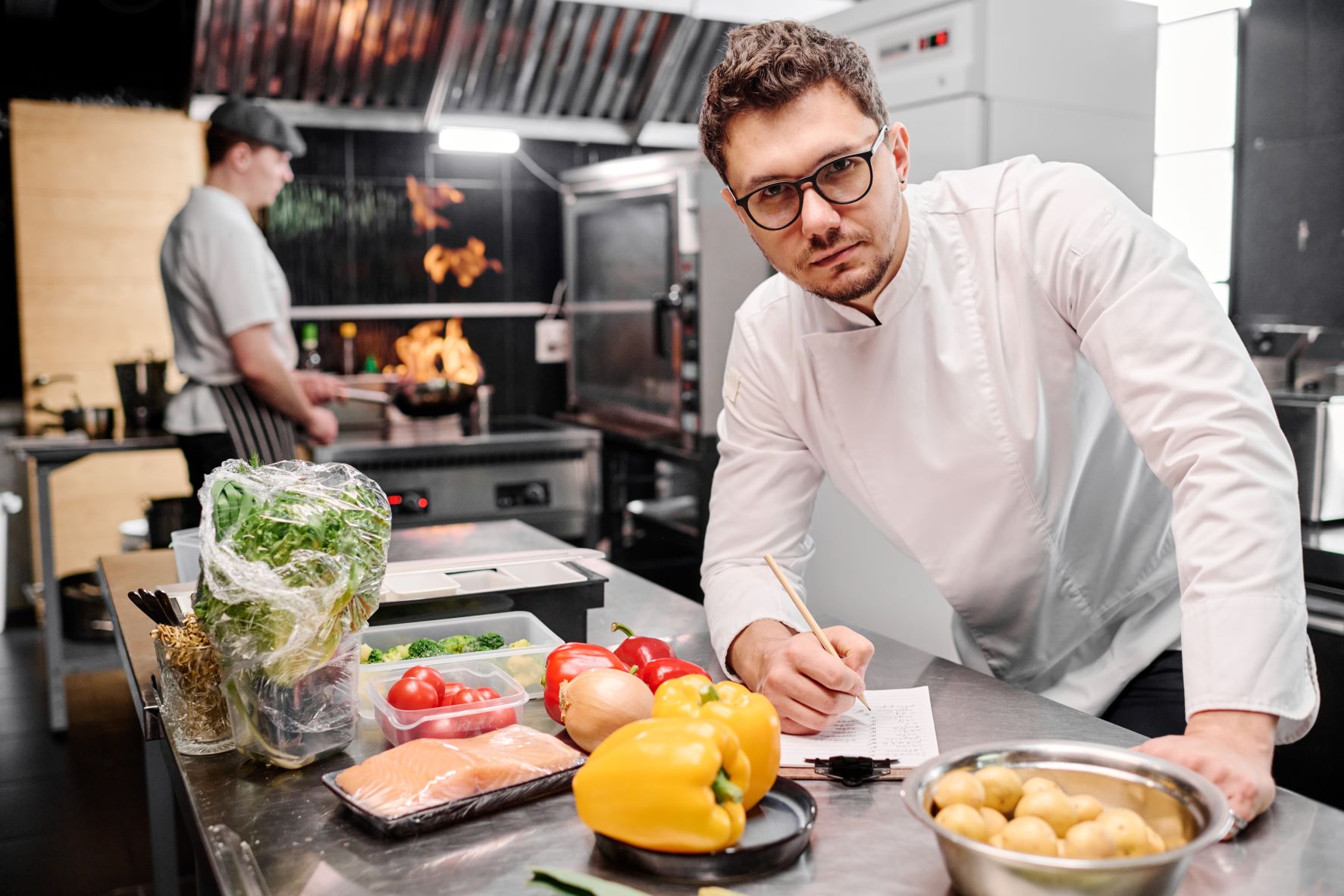
For second year culinary student, the vegetable unit is where we begin the transition from basic preparation to professional cooking, where consistency, cost control, and quality preservation are the keys to success. This post is that step out of the basics and where we start moving towards professionalism: costing, purchasing, and storing produce for use in the kitchen.
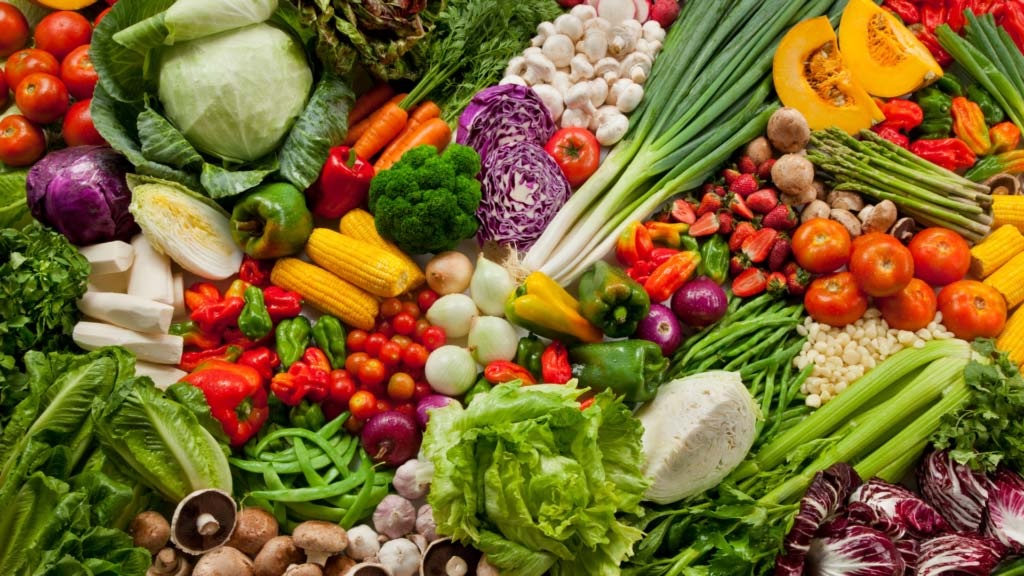
In the culinary world, a vegetable is defined as an edible, herb-like plant and each of them are classified by their botanical origins or the specific edible parts we’re harvesting for dinner: flowers, fruits, leaves, seeds, roots, tubers, or stems. Whether we’re purchasing them fresh, frozen, canned, pre-cut for convenience, or dried, we modern cooks are striving to understand the chemistry of the plant – the way it’s built – so we can determine the best cooking method.
That’s what this post is all about – the big six categories of vegetables you get to play with once you earn your chef’s coat and how best to prepare them to wow anyone brave enough to eat our creations.
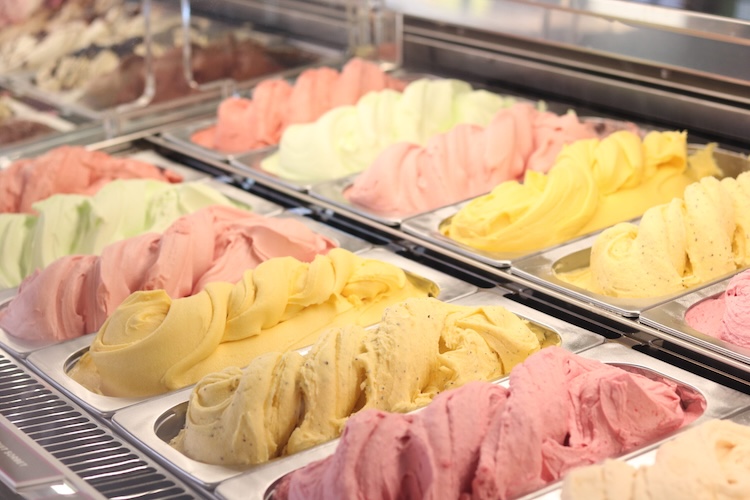
Gelato is like the cool Italian cousin of ice cream. It’s rich, smooth, and bursting with flavour - making your taste buds do the tango. When you just want the basics of WHAT and HOW…
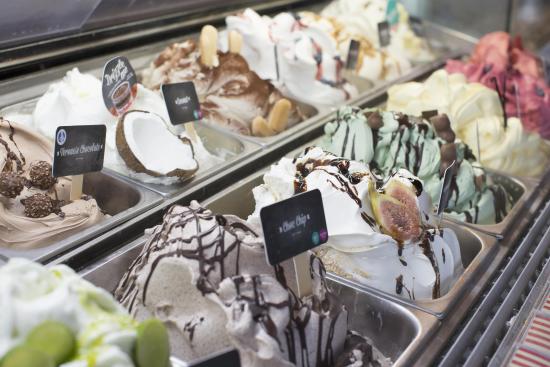
Gelato isn't just "fancy Italian ice cream," but a masterclass in the science of texture. Unlike commercial, mass-produced ice cream, gelato thrives on small-batch processing, low butterfat and minimal air. It's a dense, velvety experience…
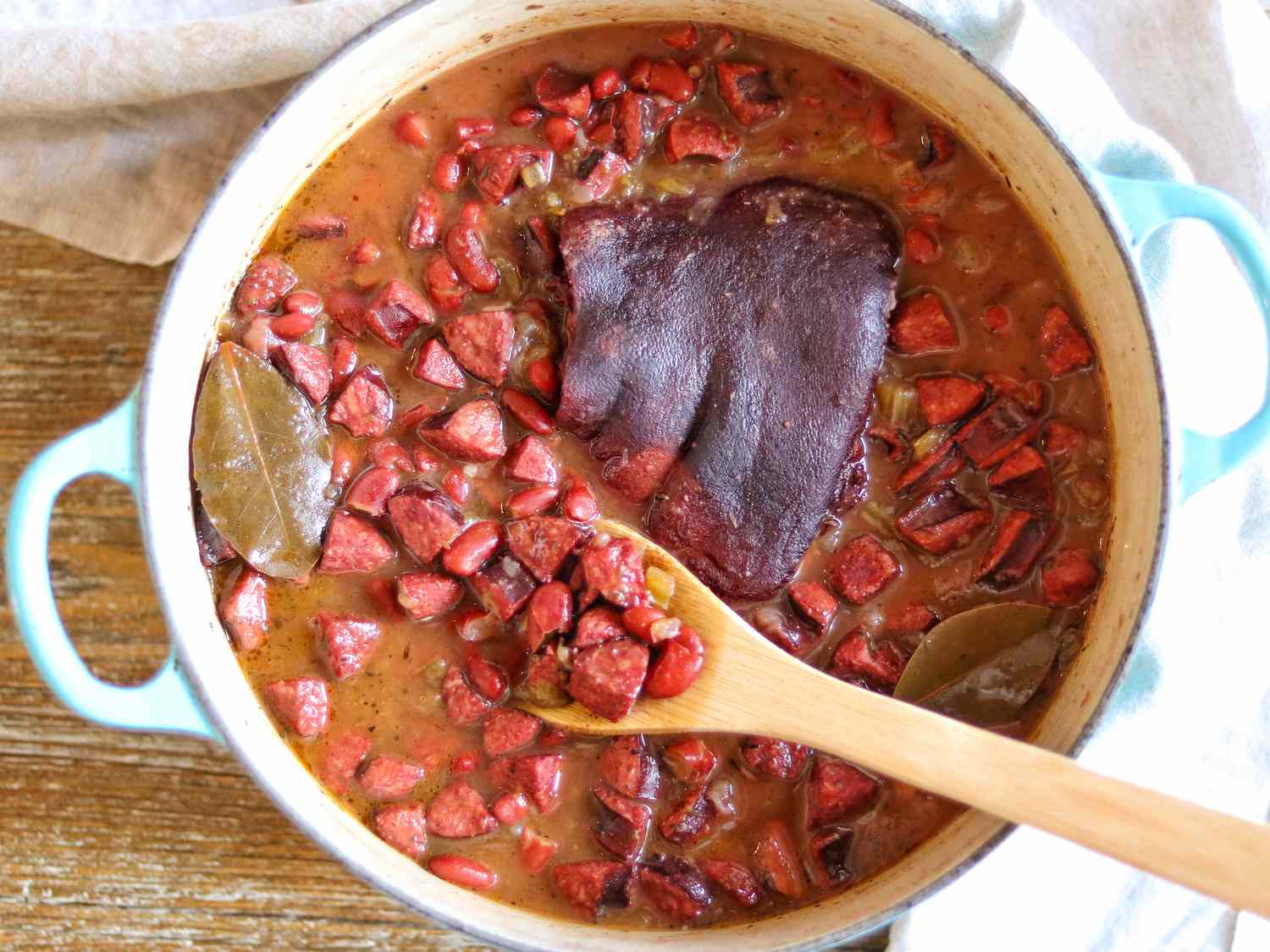
History, culture, and culinary technique join together in this classic creole dish from Louisiana.

The Caesar salad may feel timeless today, but its origins are surprisingly modern—and rooted in improvisation. Contrary to popular belief, the dish has nothing to do with Julius Caesar. Instead, it traces back to the 1920s and an Italian-American restaurateur named Caesar Cardini. This post explains a bit of the famous salad’s history, why it’s important, and how to make it right.
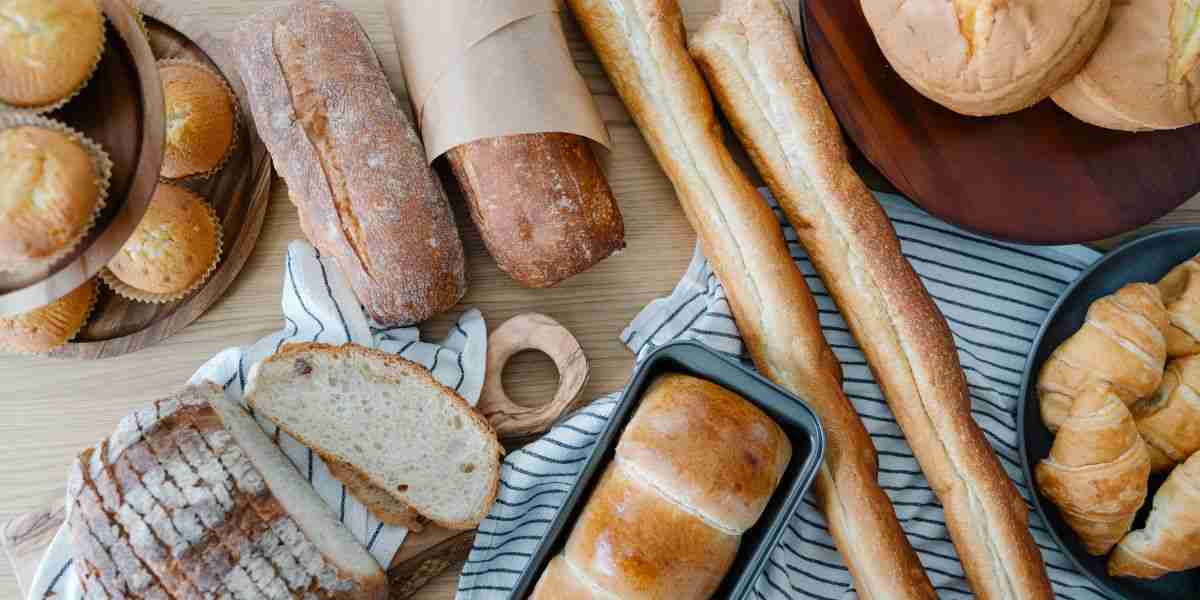
A culinary student’s introduction to yeast breads with a focus on the lean and enriched bread, straight and sponge methods, the 8 steps to making bread, as well as a deep dive on kneading and yeast.